12 Subtle Habits in Old Age That People Notice – But Rarely Talk About
Aging is a natural part of life. It changes our bodies, our priorities, and often our perspectives.
But beyond physical changes, aging can also shape behavior in quiet ways — habits that may go unnoticed by the person themselves, yet deeply felt by those around them.
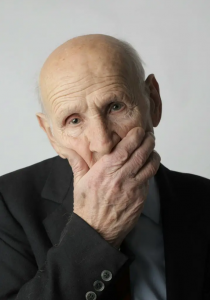
Out of respect, family and friends rarely point these things out. Still, awareness can make a powerful difference.
Recognizing certain patterns can help older adults maintain stronger relationships, deeper connections, and a more fulfilling social life.
Here are 12 common habits that can quietly create distance — and how awareness can transform them into opportunities for growth.
1. Constant Complaining
Health challenges are real, and empathy matters. But when every conversation revolves around discomfort, pain, or problems, relationships can slowly become emotionally draining. Balance creates space for connection, not exhaustion.

2. Rejecting Everything New
Change becomes harder with age — new technology, new ideas, new ways of living. But constantly saying “things were better before” can close doors to meaningful conversations and shared experiences across generations.
3. Interrupting Conversations
Experience doesn’t always equal understanding. Interrupting others to assert opinions can make people feel unheard, even when the intention isn’t harmful.
4. Giving Unsolicited Advice
Wisdom is powerful — but only when it’s welcomed.
Advice offered without being asked can feel invasive instead of helpful, no matter how well-intentioned it is.

5. Living Only in the Past
Memories are beautiful, but living entirely in yesterday can disconnect someone from today. Constantly revisiting the past can prevent meaningful engagement with the present.
6. Persistent Negativity
Some people become more pessimistic with age, expecting the worst instead of hoping for the best. Over time, this emotional tone can push others away, even unintentionally.
7. Not Truly Listening
Fatigue, hearing issues, or slower processing can affect communication. But when conversations feel one-sided, relationships can weaken — even if the cause isn’t deliberate.
8. Criticizing Younger Generations
Labeling younger people as “lazy,” “entitled,” or “lost” ignores the reality that every generation adapts to a different world. Judgment creates distance; curiosity builds bridges.
9. Neglecting Self-Care
Aging isn’t a reason to stop caring for your body, hygiene, or health. When self-care declines, it often affects social relationships more than people realize.
10. Using Age as an Excuse for Behavior
Age explains changes — but it doesn’t excuse unkindness, rudeness, or disrespect. Kindness is timeless.

11. Repeating the Same Stories
Memory changes are natural, but repeated storytelling can test patience. Gentle awareness can help preserve connection rather than frustration.
12. Refusing to Learn Anything New
Saying “I’m too old for that” closes the door to growth. Learning keeps the mind active, relationships strong, and life meaningful — at every age.
A Gentle Truth
None of these habits define a person.
None of them make someone “bad.”
And none of them are permanent.
They are simply human patterns that can emerge with time, routine, and comfort.
Aging doesn’t require rigidity.
It doesn’t require isolation.
It doesn’t require disconnection.
It only requires awareness.
Because sometimes, the smallest mindset shift can create the biggest change — not just in how others experience us, but in how we experience life itself.