25th Amendment Explained as Lawmakers Raise Calls for It to Be Used on Donald Trump
In recent days, renewed political debate has brought attention to a rarely used part of the U.S. Constitution — the 25th Amendment.
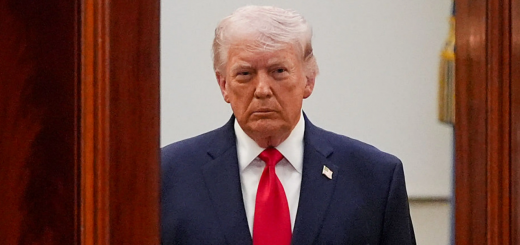
The discussion follows criticism of comments made by Donald Trump regarding potential actions involving Iran, which some lawmakers described as concerning.
While political reactions have varied, a few officials have publicly suggested that the situation raises broader questions about presidential authority — and whether constitutional mechanisms like the 25th Amendment could ever come into play.
But what exactly does that amendment do, and how would it actually work in practice?
Why the 25th Amendment Is Being Discussed
The conversation began after Trump shared a message on Truth Social that referenced possible military action involving Tehran.
The tone of the post prompted criticism from several political figures.
Among them was Chris Murphy, who urged members of the administration to carefully consider constitutional responsibilities. Bernie Sanders also weighed in, expressing concern about leadership decisions and stability.
While these responses reflect political viewpoints, they also brought a complex constitutional process into the spotlight — one that many Americans have heard of, but few fully understand.
Breaking Down the 25th Amendment
Ratified in 1967, the 25th Amendment was designed to ensure continuity of leadership in situations where a president is unable to serve. It is divided into four sections, each addressing a different scenario.
Section 1 establishes that if a president dies, resigns, or is removed, the vice president immediately becomes president.
Section 2 allows a president to nominate a new vice president if that position becomes vacant, subject to confirmation by Congress.
Section 3 provides a temporary transfer of power. A president can voluntarily step aside — for example, during a medical procedure — allowing the vice president to serve as acting president for a limited time.
Section 4, however, is the most debated and least used. It outlines a process for transferring power if a president is deemed unable to perform the duties of the office, even if they do not step aside voluntarily.
How Section 4 Would Actually Work
Despite how often it’s mentioned in political discussions, invoking Section 4 is not simple.
First, the vice president — currently JD Vance — along with a majority of the president’s cabinet, would need to formally declare that the president is unable to carry out their duties.
If that happens, the vice president immediately assumes the role of acting president.
However, the process doesn’t end there.
The president has the right to challenge that decision. If they do, the vice president and cabinet must respond within four days if they wish to maintain their position.
At that point, the issue moves to Congress, which has up to 21 days to decide. To remove the president from power under this provision, a two-thirds majority vote is required in both the House of Representatives and the Senate.
If that threshold is not met, the president resumes their duties.
A Process Built for Rare Situations
In reality, Section 4 has never been fully used to remove a president. Its high threshold reflects the seriousness of such a decision and ensures that it cannot happen without broad agreement across the executive and legislative branches.
While calls to invoke the amendment sometimes arise during moments of political tension, the legal and practical barriers make it an extraordinary measure rather than a routine option.
The Bigger Picture
The renewed attention on the 25th Amendment highlights how quickly constitutional questions can re-enter public debate, especially during periods of heightened political discourse.
At its core, the amendment was designed to provide stability — not as a political tool, but as a safeguard for extreme circumstances.
As discussions continue, one thing remains clear: while the amendment offers a path for action, it is intentionally complex, requiring consensus at the highest levels of government.