The Christmas I Finally Said “No” – And Watched My Family Learn What I’d Been Carrying All Along
For nearly a decade, I hosted Christmas because my house was “the biggest.”
That was the reason everyone agreed on, and the excuse that followed every year.
I cooked for anywhere from twelve to eighteen people. I planned menus weeks ahead, shopped crowded stores, paid hundreds out of pocket, rearranged furniture, and stood on my feet all day.
Last year alone, I spent close to $700. No one offered to split costs. No one offered real help.
This year, I finally asked.
I suggested we chip in—just a little—to share the burden. The response came quickly:
“It’s at your place, so it makes sense that you handle the cooking.”
So I canceled.
No one volunteered to host instead. Instead, they quietly organized a backup Christmas without me. And strangely, that hurt more than the money ever had.
Christmas week arrived with silence. No grocery lists. No folding chairs. No frantic prep.
I told myself the calm felt peaceful, but every carol on the radio made the quiet feel heavier. Standing up for myself was the right choice. Still, I hadn’t expected how lonely it would feel.
On Christmas Eve, a Midwest snowstorm rolled in hard. Wind howled. Power flickered.
I thought about the tiny apartment where everyone had gathered instead—drafty, cramped, unreliable heat. A moment of “I told you so” passed, followed by genuine worry.
Christmas morning came buried in snow. I sat alone with coffee, staring at an empty dining table. No messages. No photos. Just stillness.
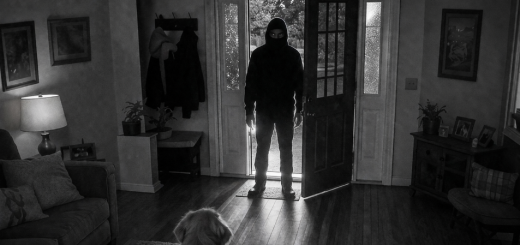
Then, just after noon, there was pounding on my door.
When I opened it, my cousin stood there, soaked and shivering, holding a bag of half-frozen dinner rolls. The pipes had burst at the other place. The heat failed. The stove quit halfway through the turkey.
Cars slid into my driveway. Out came everyone—cold, tired, defeated. No speeches. Just a quiet admission: It fell apart.
I could have turned them away. I didn’t.
But this time, I also didn’t put on an apron.
I let them in, sat down in my armchair, and opened a book. The room grew quiet as they realized I wasn’t moving toward the kitchen. When someone finally asked what the plan was, I smiled and said,
“The stove works. The food’s here. I’m just not cooking this year.”
Something shifted.
Slowly, they stepped in. Someone peeled potatoes. Someone found pans. Someone set chairs. It was messy. Disorganized. Far from perfect.
But it was shared.
For the first time in years, no one waited to be served.
Dinner wasn’t flawless. The gravy was lumpy. The vegetables were overdone. But when we sat down together, someone raised a glass and said,
“We thought this house was what made Christmas work. It wasn’t. It was you.”
Later that evening, I was handed an envelope. Inside wasn’t just repayment—it was a commitment. A shared holiday fund, started so I’d never shoulder everything alone again.
That night, we laughed, cleaned together, and played games. No one disappeared while someone else worked. The house felt full—not because of space, but because of respect.
I learned something important that year:
Boundaries aren’t walls. They’re gates.
Sometimes, you have to say no—and let things fall apart—so others can finally see what you’ve been holding together.