Cracker Barrel Faces Fresh Debate After New Employee Dining Guidance Surfaces
For decades, Cracker Barrel has stood as more than a roadside stop — it’s been a symbol of small-town warmth, Southern comfort food, and a nostalgia-soaked version of Americana that generations recognize instantly.
But preserving that identity in a changing world has not always been simple.
In recent years, the beloved restaurant chain has repeatedly found itself balancing modernization efforts with the expectations of fiercely loyal fans.
And now, a newly discussed internal policy has once again placed the brand at the center of public conversation.
A Brand Caught Between Tradition and Change
In 2024, Cracker Barrel leadership attempted to refresh the company’s image with updated interiors and branding.
The effort included reducing the prominence of the longtime “Old Timer” aesthetic — a move many customers interpreted as abandoning the chain’s roots.
The backlash was immediate and intense. Social media filled with criticism, and customers voiced fears that modernization would erase what made the restaurant special.
CEO Julie Masino later acknowledged the reaction publicly, emphasizing that the company had listened closely to feedback and moved quickly to restore familiar elements.
Classic branding returned, traditional menu favorites were reaffirmed, and marketing again leaned into heritage and nostalgia.
The 2026 Memo That Sparked New Headlines
Now, attention has shifted to an internal travel-expense guideline reported by The Wall Street Journal.
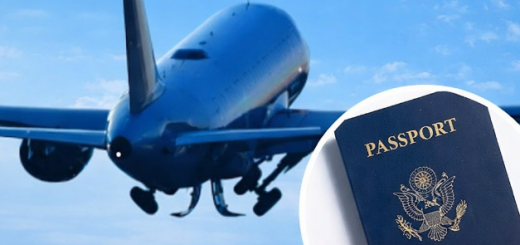
According to the report, employees using company funds for business travel are encouraged to dine at Cracker Barrel locations whenever practical.
The same guidance also reinforces limits on alcohol reimbursement without specific approval.
Company representatives clarified that the policy is not new and does not prohibit staff from eating elsewhere when location or scheduling makes that more practical. They framed it as part of broader expense-management standards rather than a restriction on employee choice.
Still, the idea that workers might be expected to eat primarily at their own company’s restaurants while traveling has fueled debate online — with some calling it sensible brand loyalty and others questioning whether it oversteps.
Why the Issue Resonates
The renewed attention arrives after a turbulent period for the company’s public image. The earlier branding controversy demonstrated just how emotionally attached customers are to Cracker Barrel’s identity.
When leadership briefly moved toward a more contemporary look, critics argued the chain was losing authenticity. The swift reversal — restoring traditional visuals and emphasizing heritage — reinforced how central nostalgia remains to the brand’s appeal.
That context helps explain why even routine corporate policies can become symbolic. For many observers, the travel-dining guidance isn’t just about expenses — it’s another signal of how tightly the company is holding to its roots.
Heritage Still at the Center
Despite the debates, Cracker Barrel continues to position itself as a steward of American tradition. The company recently announced participation in national anniversary programming tied to the United States’ upcoming 250th year, highlighting its long-standing identity as a gathering place built around comfort food and shared moments.
Executives have repeatedly stressed that the chain’s mission goes beyond meals: it aims to create familiar spaces where families reconnect with memory, tradition, and each other.
The Bigger Question
At its core, the conversation touches on something larger than one memo. It reflects an ongoing tension many legacy brands face:
How do you evolve without losing what people love most?
For some customers, encouraging employees to dine within the brand simply reinforces pride and consistency. For others, it raises questions about corporate expectations in a modern workplace.
Either way, the discussion shows that Cracker Barrel still occupies a rare place in American culture — one where policy changes can feel personal to millions who grew up with its rocking chairs, country store, and biscuits on the table.
What’s your take?
Is it reasonable for a heritage brand to ask traveling employees to support its own restaurants — or does that cross a line?
The debate itself may be the clearest sign of all: decades later, Cracker Barrel still matters deeply to the people who walk through its doors.