Why the Full Name “Barack Hussein Obama” Continues to Draw Attention
In public life, names often carry meaning beyond simple identification.
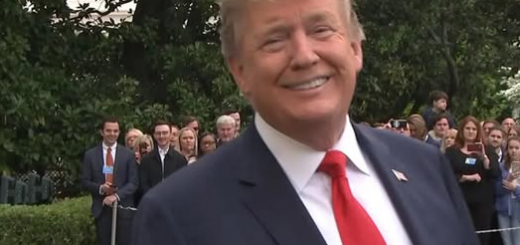
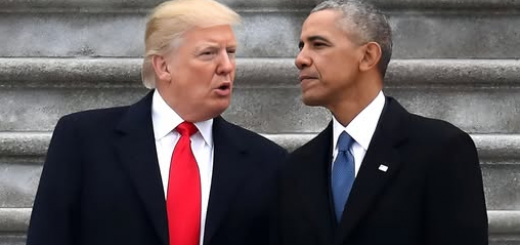
Over the years, Donald Trump has occasionally used the full name of Barack Obama in speeches and public remarks, a choice that has sparked discussion about tone, intent, and interpretation.
While some observers view the use of a full name as routine or rhetorical, others see it as a deliberate emphasis that can shape how audiences perceive a public figure.
Regardless of interpretation, the conversation has also drawn attention to the meanings and origins of the name itself.
Public figures are often discussed not only for their policies but also for how they are represented in language.
The use of a full name—especially one that includes culturally distinct elements—can influence perception depending on context and delivery.
In political communication, small choices in wording can carry symbolic weight. For supporters, such phrasing may feel like emphasis or clarity.
For critics, it may raise questions about framing or tone.
Language, Perception, and Public Debate
The broader discussion around this topic reflects how language shapes public understanding. Names, in particular, can become focal points for identity, background, and belonging.
At the same time, modern audiences are increasingly aware of how words are used in public discourse. As a result, even subtle choices can generate widespread interpretation and debate.
The Meaning Behind the Name
Names often reflect cultural, linguistic, and family heritage. In this case:
- Barack is derived from a name of Arabic origin meaning “blessing” or “one who is blessed.”
- Hussein is also of Arabic origin and is commonly associated with meanings such as “good,” “handsome,” or “virtuous.”
- Obama comes from a Luo (Kenyan) background and is connected to East African linguistic roots.
Together, the name reflects a blend of cultural influences, highlighting a personal history that spans continents and traditions.
A Broader Perspective
Beyond politics, this conversation highlights a universal idea: names carry stories.
They reflect heritage, family history, and cultural identity.
In that sense, the discussion surrounding Barack Obama’s full name is not only about political rhetoric, but also about how individuals and societies interpret identity in a globalized world.
While opinions differ on why certain names are emphasized in public speech, the meanings behind them remain rooted in history and culture.
Understanding those meanings can provide a more balanced perspective—one that moves beyond assumptions and focuses on the deeper context behind the words themselves.