Inside the Childhood That Shaped Viola Davis Into a Legend
Viola Davis’ journey is not just a story of success — it is a powerful testament to endurance, resilience, and faith. Long before she became one of the most celebrated actresses of her generation, her life began in circumstances that would have broken many.
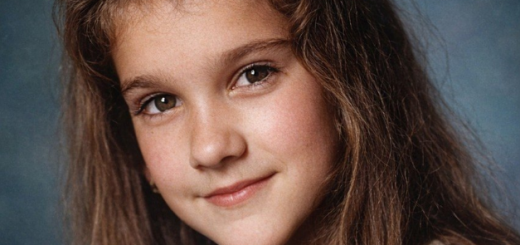
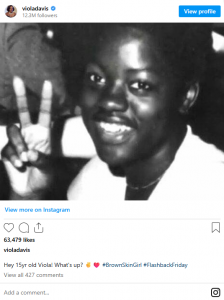
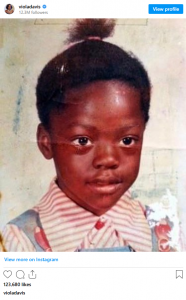
Today, at 59, Davis stands as one of the most respected performers in film, television, and theater. Yet the only known image from her earliest years is a simple kindergarten photograph — a quiet reminder of a childhood marked by struggle, hunger, and invisibility.
Growing Up With Almost Nothing
Viola Davis was born on August 11, 1965, in St. Matthews, South Carolina, on land that once formed part of a plantation. She entered the world in a one-room shack on her grandmother’s property, where poverty was a daily reality rather than a temporary setback.
Her mother worked as a maid and was also an active participant in the Civil Rights Movement. When Viola was just two years old, she accompanied her mother to jail after her mother was arrested during a protest — an early introduction to injustice that would leave a lasting mark.
When the family moved north to Central Falls, Rhode Island, hoping for opportunity, hardship followed. Despite civil rights laws being in place, discrimination and segregation remained part of everyday life.
“People wouldn’t drink from the same water fountain after us,” Davis has recalled. “There was a lot of name-calling.”
Viola was the second youngest of six children. Two of her older siblings remained in South Carolina for years, raised by grandparents because the family could not support everyone at once.
Hunger, Shame, and Survival
The family lived in a condemned building with no heat, broken plumbing, and frequent infestations. Food stamps often ran out before the end of the month, and hunger was constant.“Poverty makes you invisible,” Davis has said. “Nobody sees the poor.”
School lunches were often the only reliable meals. At nine years old, Davis was caught stealing food from a store — an experience she later described as deeply humiliating and unforgettable.
At the same age, she endured a moment that would shape her inner world forever. During an intense argument between her parents, overwhelmed and frightened, she collapsed on the bathroom floor and prayed desperately to escape her life. Nothing changed — but years later, she understood why.
“I stayed so I could remember,” she reflected. “So I could tell the story.”
Believing Her Future Was Already Decided
Growing up, Davis believed her path was predetermined.

“I thought I would be a maid,” she once said, following the same work her mother and grandmother had done — the only jobs available to many Black women of that generation.
But school became her refuge. Education, sports, music, and drama offered an escape — and eventually, a direction. At seven, she began performing in local talent shows with her sisters. Later, she joined Upward Bound, a program for students from low-income families preparing for college.
She earned a scholarship to Rhode Island College, majoring in theater, where her talent quickly stood out.
One of the Hardest Schools to Enter — and She Made It

After college, Davis auditioned for Juilliard, one of the world’s most elite performing arts schools. She was accepted as one of just 14 students out of 2,500 applicants.
The opportunity changed everything.
Her stage career flourished, leading to a Tony Award nomination at 29 for Seven Guitars. On opening night, seeing her parents in the audience, she felt she had finally arrived.
Breaking Through — and Making History
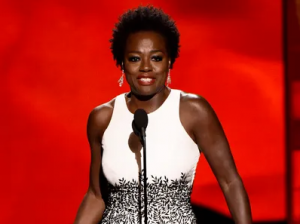
Hollywood soon followed. Davis earned Oscar nominations for Doubt (2008) and The Help (2011). In 2015, she made history as the first Black woman to win an Emmy for Outstanding Lead Actress in a Drama Series (How to Get Away with Murder). In 2017, she won the Academy Award for Fences.
She remains one of the few Black actresses nominated in both Best Actress and Best Supporting Actress categories.
Turning Pain Into Purpose
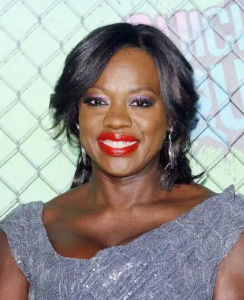
Davis never forgot where she came from. Through advocacy work, including anti-hunger campaigns, she helped raise millions of dollars to provide meals to children.
“This is the richest country in the world,” she has said. “There’s no reason kids should be going to school hungry.”
In her memoir Finding Me, Davis wrote candidly about trauma, shame, and the absence of love she felt growing up — and the healing that followed.
A Life Reclaimed
Today, Davis is married to actor and producer Julius Tennon, and they adopted their daughter Genesis in 2011. On her 55th birthday, she bought the house in South Carolina where she was born — a powerful full-circle moment she shared publicly.
“I own it. All of it,” she wrote.
Reflecting on her life, Davis has said she continues to heal the child she once was.
“That little girl follows me everywhere.”
From hunger and hardship to global respect and influence, Viola Davis’ story proves that where you start does not define where you end. She is not only a legendary actress — she is a living reminder of the power of resilience, truth, and hope.
Share this story if you believe strength is built, not given.