What Is the Little Hole at the Bottom of a Padlock For? The Hidden Feature Most People Never Notice
A padlock may seem like a simple, everyday item — but it’s one of the most dependable tools we use to protect bikes, sheds, storage units, toolboxes, and backyard gates.
Built from durable metal, padlocks are designed to resist force and weather. Yet most people overlook one of their most important features: the tiny hole at the bottom.
The Secret Purpose of the Padlock’s Little Drain Hole
That small opening isn’t a design flaw — it’s a built-in protection system.
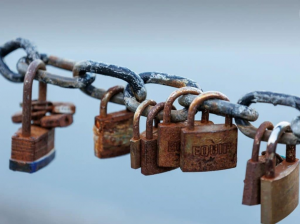
Padlocks are made of metal, which means they’re vulnerable to water, humidity, and rust.
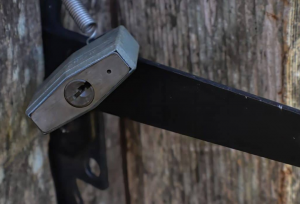
When moisture gets trapped inside the lock, it can corrode the internal mechanism and eventually cause the key to jam.
The tiny hole at the bottom serves as a drainage outlet, allowing water to escape instead of lingering inside.
This simple feature dramatically extends the lifespan of the lock and helps keep your belongings secure — even in rough weather.
Why Modern Padlocks Still Use the Hole
Although many companies now manufacture weather-resistant padlocks, complete with rubber seals and corrosion-proof materials, traditional padlocks remain extremely popular.
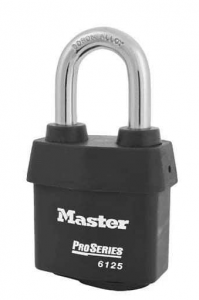
They’re affordable, sturdy, and easy to maintain, and that drainage hole plays a big part in their long-term durability.
A Second Clever Use: Fixing a Jammed Padlock
The bottom hole also serves another purpose: maintenance.
If a padlock becomes stiff or stops opening smoothly, even when you’re using the correct key or combination, the hole allows you to spray synthetic lubricant directly into the mechanism.
A quick application often frees the components, making the lock operate like new again.
It’s a tiny feature with a big impact.
Other Everyday Items With Surprising Hidden Features
Padlocks aren’t the only objects designed with secret, multi-purpose details. Many everyday tools hide clever engineering that makes life easier — if you know where to look.
Screwdrivers That Double as Wrenches
If you’ve ever struggled to reach a tight spot under a car hood or inside machinery, here’s a mechanic’s secret:
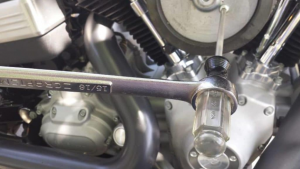
Most screwdriver shafts are intentionally shaped so they can slide into the opening of a wrench.
This gives you extra leverage and reach, allowing you to turn screws in angles or spaces that would normally be impossible to access.
It’s a brilliant example of simple tools becoming far more versatile than they first appear.