The Meaning Behind a Blue Stop Sign – And Why It Still Matters
Most drivers never question a red stop sign.
It’s one of the clearest signals on the road—recognized instantly, even in poor visibility. In the United States, official traffic regulations require stop signs on public roads to be red with white lettering, a standard designed for maximum visibility and universal understanding.
That consistency is intentional. When drivers see red, they don’t think—they react.
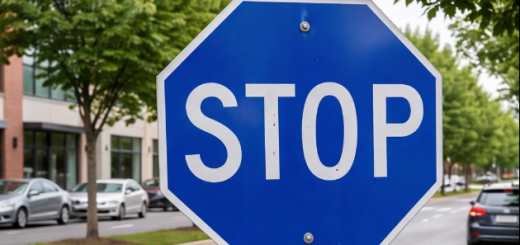
Occasionally, drivers come across something unexpected: a blue stop sign.
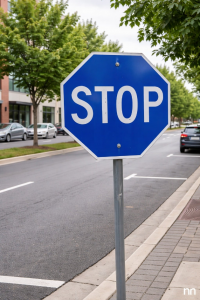
At first glance, it can feel confusing. But these signs are not part of the official traffic control system used on public roads. Instead, they are typically installed in private areas, such as:
Gated communities
Private campuses
Parking lots and commercial properties
Because these locations are privately managed, property owners have more flexibility in signage design.
This is where the distinction matters.
Red stop signs on public roads are regulated under federal standards, including guidelines from the Federal Highway Administration. These signs are legally enforceable and must follow strict design rules.
Blue stop signs, however, generally do not carry the same legal authority in public traffic law. Their enforcement depends on local rules, property policies, or specific agreements within private spaces.
That said, “less official” does not mean “less important.”
Even without the same legal status, blue stop signs serve a critical purpose: preventing accidents in shared spaces.
Ignoring one can still lead to:
Collisions in parking lots or private roads
Liability issues or disputes
Safety risks for pedestrians and other drivers
In environments where visibility may be limited and traffic patterns less predictable, these signs help maintain order and reduce risk.
When you see a stop sign—regardless of color—the safest response is always the same:
Come to a full stop. Check your surroundings. Proceed carefully.
Because in the end, safety isn’t defined by color—it’s defined by awareness.
Blue stop signs may not be part of standardized public road systems, but they reflect a broader truth about driving: rules exist wherever people share space.
Understanding the difference helps—but respecting the sign matters even more.
💬 Have you ever come across a blue stop sign and wondered what it meant?