What Your Nails Can Reveal About Your Health — And How to Strengthen Them Naturally
Nails are often treated as a cosmetic detail, something to shape, polish, or maintain. But beneath their appearance lies something far more meaningful.
Over years of clinical observation and research, it has become clear that nails can act as quiet indicators of what is happening inside the body.
They rarely change overnight. Instead, they reflect patterns—gradual shifts in nutrition, hydration, and overall balance.
Understanding those signals can help you respond early, gently, and effectively.
Subtle Changes That Shouldn’t Be Ignored
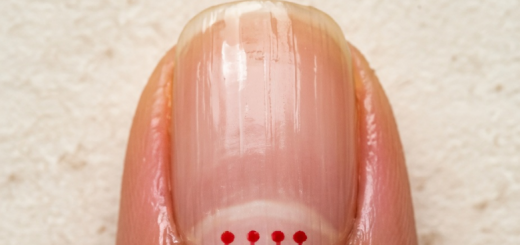
One of the most common nail changes is vertical ridging. In many cases, this is a natural part of aging.
As the body’s renewal processes slow, these ridges can become more visible and pronounced.
However, not all changes are simply age-related.
When nails become brittle, split easily, or appear thinner than usual, it may indicate that the body is lacking key nutrients needed for structural support.
Because nails grow slowly, these changes often develop gradually—making them easy to overlook until they become more noticeable.
The Role of Protein in Nail Strength
Nails are made primarily of keratin, a protein that forms their structure. Without adequate protein intake, the body may struggle to maintain strong, resilient nails.
Consistent dietary sources such as eggs, fish, poultry, dairy, legumes, and plant-based proteins provide the building blocks needed to support keratin production.
Over time, this can improve both strength and resistance to breakage.
Biotin: Supporting Natural Growth
Biotin (vitamin B7) plays an important role in keratin formation and nail stability. While it is often marketed as a quick fix, the reality is more gradual.
Regular intake through foods like eggs, nuts, seeds, and leafy greens can contribute to stronger nails—but only with consistency over time.
There are no overnight results, but steady support often leads to visible improvement.
Iron and Nail Appearance
Iron helps transport oxygen throughout the body, including to tissues responsible for nail growth.
When iron levels are low, nails may become thin or develop changes in shape or texture. In some cases, they may appear flatter or more fragile.
Including iron-rich foods such as lean meats, legumes, seeds, and dark leafy greens can help maintain balance. Pairing plant-based iron sources with vitamin C (like citrus fruits) can improve absorption.
Zinc and Repair Processes
Zinc supports cell growth and repair—both essential for maintaining healthy nails.
A deficiency may slow nail growth or lead to small irregularities in texture. Over time, this can make nails appear uneven or weak.
Good dietary sources include nuts, seeds, whole grains, and seafood, all of which contribute to long-term nail health.
Hydration and Flexibility
Dry nails are more likely to split and break.
Proper hydration, along with healthy fats such as omega-3 fatty acids, helps maintain flexibility and resilience. Fatty fish, nuts, seeds, and adequate water intake all play a role in preventing brittleness.
This is one of the simplest, yet most overlooked, factors in nail care.
Why Patience Matters
Nails grow slowly—typically just a few millimeters per month. Because of this, improvements in strength and appearance take time.
Quick fixes are rarely effective. Sustainable results come from consistent habits: balanced nutrition, proper hydration, and gentle care.
If changes happen suddenly or appear severe—such as deep horizontal ridges, unusual discoloration, or discomfort—it is important to seek professional evaluation rather than assume a minor cause.
A Quiet Indicator of Overall Health
Nails don’t demand attention, but they often reflect what the body is managing beneath the surface.
Small, consistent changes—better nutrition, improved hydration, and mindful care—tend to show gradually. Not as dramatic transformations, but as steady improvements that become visible over time.
In many ways, healthy nails are less about appearance—and more about balance.
Final Thought
The body rarely communicates through sudden signals alone. More often, it speaks quietly, over time.
Your nails are part of that conversation.
When you learn to notice and respond to those subtle signs, you’re not just improving how your nails look—you’re supporting your overall well-being in a deeper, more lasting way.