Nostradamus’ 2026 Predictions Surge Back Into Discussion After Trump’s Venezuela Action
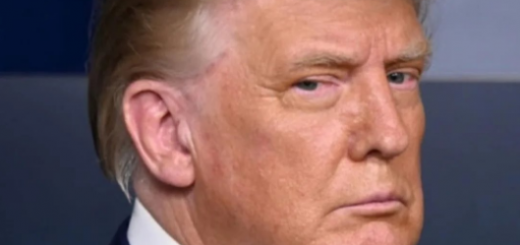
A dramatic turn of events involving Venezuela’s president and former U.S. President Donald Trump has brought fresh attention to a set of old forecasts — including those attributed to 16th‑century mystic Nostradamus.
While such predictions are often symbolic and open to interpretation, recent real‑world developments have made some people revisit them with renewed curiosity.
A Major International Story Unfolds
In early January 2026, Venezuelan President Nicolás Maduro was captured by U.S. forces during a controversial military operation ordered by the Trump administration and flown to the United States, where he appeared in a federal courthouse in New York to face drug‑trafficking and narco‑terrorism charges.
Maduro and his wife, Cilia Flores, pleaded not guilty to the charges, with Maduro asserting in court that he was still Venezuela’s president and describing his capture as illegitimate.
The move has drawn mixed reactions worldwide: some praise the action as a push against corruption and criminal networks, while others warn it could violate international law and set dangerous precedents.
Nostradamus and the Power of Interpretation
Michel de Nostredame, known as Nostradamus, published Les Prophéties in the 16th century — a collection of cryptic quatrains written in symbolic language. For centuries, readers have debated whether these verses foretold later events, from wars to natural disasters.
Recently, social media users have pointed to interpretations claiming Nostradamus predicted a period of political upheaval or conflict around 2026.
Some comment that current tensions — like Trump’s actions in Venezuela — feel eerily connected to predictions about “struggles affecting many people” and references to distant places.
Why Experts Urge Caution
Historians and scholars note that Nostradamus’ writings are highly ambiguous and rooted in his own time and geography.
This makes direct correlations to modern geopolitical events, such as those involving Venezuela or the U.S., speculative at best.
The locations mentioned in his verses don’t map cleanly onto contemporary nations, and many interpretations are shaped more by hindsight than by clear evidence.
Additionally, current events are themselves complex and grounded in real diplomatic, legal, and military actions, including parliamentary debates, international protests, and court proceedings — none of which are predicted in historical texts.
The Bigger Picture
The resurfacing of Nostradamus’ 2026 interpretations alongside news about Maduro’s capture shows how dramatic global events often trigger renewed interest in historical forecasts and conspiracy theories.
But experts emphasize that correlation does not equal prediction: modern political decisions, international law, and real‑world consequences are shaped by current actors and policies, not centuries‑old writings.
Whether or not any predictions prove meaningful, the debate highlights a fundamental truth: in uncertain times, people look for patterns and explanations, but relying on verifiable facts provides the clearest guide to understanding the world today.