Obama Sparks Debate After Claiming “Military Resistance” Is Limiting Trump’s Influence
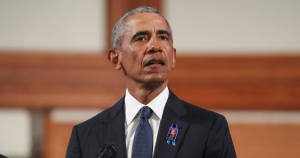
Former President Barack Obama has ignited a new national debate after suggesting that members of the U.S. military are resisting attempts by President Donald Trump’s administration to politicize the armed forces.
His remarks, delivered during a speaking event in Arkansas, quickly drew both praise and criticism from across the political spectrum.
Obama’s Message: The Military Should Not Become a Political Tool
Speaking at the Crystal Bridges Museum of American Art as part of the “Building Bridges” lecture series, Obama reflected on what he sees as growing pressure on major U.S. institutions — including the military — to bend toward partisan interests.
According to Obama, internal pushback has helped prevent the armed forces from being drawn too deeply into political battles.
“You don’t have your military involved in partisan politics. Its loyalty is to the Constitution — not to any party, and not to any president,” Obama said.
He argued that while other institutions have been pulled into partisan disputes, he believes military leadership and service members have shown “resistance” to becoming politicized.
During his own presidency, Obama said he earned respect from the military by keeping politics out of national-security decisions and focusing strictly on the advice of the Joint Chiefs of Staff.
Backlash: Critics Say Obama Is Undermining Civilian Leadership
Obama’s comments were quickly met with criticism, especially from officials who support the Trump administration.
Sean Parnell, the Pentagon’s chief spokesman, accused Obama of being selective in his concerns about politicization. He argued that issues such as DEI programs and cultural disputes were allowed to influence military priorities in the past.
“Secretary Hegseth is restoring meritocracy so our warfighters can focus on their jobs,” Parnell said, arguing that today’s military reforms are reducing — not increasing — political interference.
Democrats Add Fuel to the Fire
Obama’s comments also came just as six Democratic lawmakers faced scrutiny for releasing a video urging service members to reject unlawful orders.
The lawmakers — all military veterans — stated:
“No one has to carry out an order that violates the law or our Constitution.”
Their message sparked controversy, with Trump later saying the officials were in “serious trouble,” though he clarified he was not threatening harm.
Representative Eric Swalwell also drew attention after claiming that service members privately view themselves as a constitutional “check” on presidential power.
Supporters Say Obama Is Defending Military Values, Critics Warn of Dangerous Messaging
For supporters of Obama, his comments highlight a concern shared by many former military leaders: that the armed forces must remain neutral, stable, and loyal only to the Constitution.
For critics, any suggestion that the military resists elected civilian leadership risks undermining trust and the chain of command.
Civil-military experts warn that even the perception of political loyalty inside the armed forces, whether toward or against a president, can damage morale, recruiting, and public confidence.
A Debate Far From Over
Obama’s remarks landed at a moment when questions about the politicization of federal institutions are at the center of national discussion.
With tensions already high in Washington, the debate over military neutrality — and presidential authority — is likely to intensify.
No matter the political viewpoint, one thing is clear:
The relationship between the presidency and the military remains one of the most sensitive — and consequential — areas in American democracy.