Why Some People Help Waiters Without Being Asked
The quiet psychology behind a simple, thoughtful habit
If you’ve ever eaten at a busy restaurant, you’ve probably seen it happen.
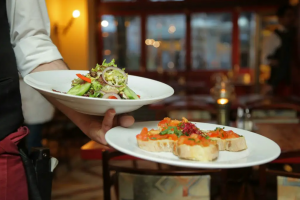
A table starts stacking plates neatly. Someone passes empty glasses toward the edge.
Sometimes, a guest even gathers dishes before the server arrives.
Maybe you’ve done it yourself.
At first glance, it looks like a small courtesy.
But psychology suggests there’s often more behind this behavior than simple politeness.
It’s rarely about attention
People who help waiters are usually not trying to stand out or look generous. In fact, most do it instinctively, without thinking twice.
Psychologists point out a few common reasons behind this habit:
Past experience: Many people who lend a hand have worked in restaurants before. They remember the physical strain, the time pressure, and how one small break can make a shift easier.
High situational awareness: Some individuals naturally notice when someone nearby is overwhelmed. They’re tuned in to their environment and respond automatically.
Empathy in action: This is often an example of what psychologists call a “micro-act of kindness” — a small, practical gesture meant to reduce another person’s stress.
These actions usually come without expectation of praise, thanks, or recognition.

Why not everyone does it — and that’s okay
Not helping doesn’t mean someone lacks kindness. Cultural norms play a big role. In some places, interfering with a server’s workflow can be seen as inappropriate. Others may simply be unsure whether their help is welcome.
Some diners are focused on conversation, children, or work. Kindness doesn’t always look the same — and it isn’t a competition.
Why it matters to the person working
For waiters and servers, small gestures can have an outsized impact. Clearing a plate or organizing a table can shave seconds off a hectic rush. More importantly, it can change the emotional tone of a shift.
Feeling noticed — even briefly — can make demanding work feel a little lighter.
A small choice with real impact
Helping a waiter isn’t really about dishes. It’s about recognizing effort and choosing, in that moment, to make someone else’s job slightly easier.
Psychology consistently shows that these small, everyday choices build social trust and shared humanity. They don’t change the world overnight — but they quietly improve it, one interaction at a time.
And that’s often how real kindness works:
not loudly, not dramatically — but simply, and without expectation.
If this resonated with you, feel free to share it with someone who notices the little things.