Why People Were Naturally Slim in the ’70s – And What We Can Learn Today
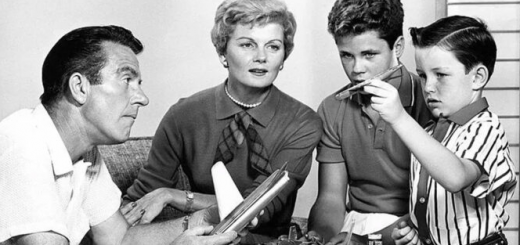
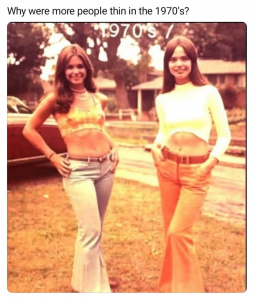
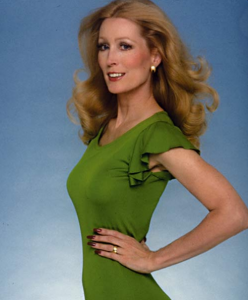
Look back at family photos from the 1970s, and one thing stands out: people were leaner, more active, and seemed naturally balanced.
But it wasn’t magic, strict dieting, or extraordinary willpower—it was simply how life was structured. Daily routines, habits, and the environment itself promoted natural movement, moderation, and physical health.
Everyday Life Kept People Moving
Back then, walking wasn’t exercise—it was part of life. Many households had one car, or none, so people walked to school, work, shops, and friends’ homes.
Kids spent hours climbing trees, running, and playing outside. Movement happened naturally throughout the day, not in a gym.
Even jobs required effort. Manual labor was common, and office work still meant walking between rooms, climbing stairs, or carrying paperwork.
Physical activity was built into everyday life—not an added chore.
Food Was Simple and Nourishing
Meals were made from whole, basic ingredients: vegetables, eggs, meat, fruit, and dairy. Ultra-processed foods were rare.
Cooking itself required movement, focus, and effort, which contributed to overall activity.
Sugar was used sparingly, fats were less refined, and portions were naturally smaller. People ate according to hunger, not stress or boredom. Snacking was uncommon, and meals followed a predictable schedule: breakfast, lunch, and dinner.
Portions, Routines, and Screens
Soft drinks came in small bottles, plates weren’t overloaded, and food served a purpose: nourishment, not constant distraction. Television had set schedules, so kids spent more time outside. Families ate at the table without phones or screens stealing attention.
Compare that to today, where screens dominate over ten hours a day, snacking is constant, and movement is optional.
The environment itself encourages sedentary habits, and our bodies respond accordingly.
Stress Was Handled Differently
Life had stress, but it wasn’t constant. Without constant notifications and digital overload, people managed tension by walking, talking, or doing hands-on tasks. Sleep was better regulated, which naturally supported energy, appetite, and overall health.

Boredom Encouraged Action
No smartphones meant boredom led to activity, not sitting still. People explored, played, or found meaningful tasks. This constant movement contributed to natural weight management and physical balance.
Lessons We Can Apply Today
You don’t need to recreate the ’70s lifestyle, but you can borrow small habits that have a big impact:
-
Walk whenever possible
-
Cook meals at home with simple ingredients
-
Limit mindless snacking
-
Use smaller plates to manage portions
-
Avoid screens during meals
-
Prioritize sleep
-
Stand, stretch, or move regularly
-
Spend time outdoors
These habits create an environment your body responds to naturally—no extreme diets or fads required.

The Takeaway
Being thinner and balanced in the ’70s wasn’t about genetics, discipline, or perfection. It was about living in an environment that promoted movement, routine, and simplicity.
Even small changes today—like walking more, cooking at home, or cutting down screen time—can bring back that natural balance.
Sometimes, it’s not about trying harder—it’s about letting your lifestyle support your body the way it was designed to work.