Planning a Trip in 2026? Essential Footwear Tips for Smooth Airport Security
Travel in 2026 is changing, but not in the dramatic ways some headlines suggest. Recently, travelers have seen news claiming new airport shoe rules, causing confusion and concern.
The truth is much simpler: there are no bans on specific types of shoes. What has changed is how airport security systems operate, aiming to make screening more efficient—not stricter.
What’s Really Changing in Airport Security
Airports worldwide are gradually updating their screening systems.
The goal is to improve the flow through security, not to limit what travelers can wear. As a result:
- Some passengers may pass through without removing shoes.
- Others may still be asked to remove them.
- Procedures vary depending on the airport, equipment, and local security policies.
This inconsistency can feel confusing, but it’s a reflection of evolving technology rather than new restrictions.
Why Shoes Remain a Focus
Shoes have always been part of airport security checks, not for style reasons, but because of their structure.
Certain designs, materials, or metal elements can affect scanners, requiring additional inspection. The key takeaway: this is about clarity and efficiency, not limitation.
Shoes That May Require Extra Screening
While no style is prohibited, some shoes are more likely to draw attention:
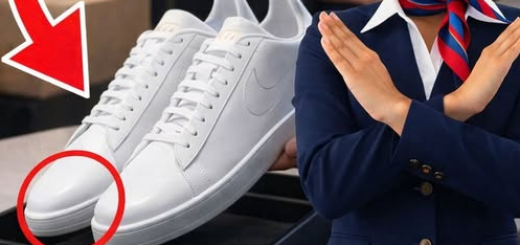
- Thick or layered soles
- Heavy boots
- Shoes with metal parts
- Complex designs
Wearing these shoes won’t prevent travel, but it may take slightly longer to get through security.
Choosing Simplicity to Avoid Delays
Frequent travelers often choose footwear that minimizes unnecessary steps:
- Easy to remove
- Lightweight and comfortable
- Simple, straightforward design
These choices don’t restrict style—they simply reduce friction at security checkpoints.
Comfort Matters More Than Ever
Travel involves walking, standing, and waiting, often longer than anticipated. Shoes with cushioned soles, breathable materials, and flexible designs can significantly improve the travel experience. Comfort isn’t just a luxury—it’s practical preparation.
Hygiene and Awareness
Closed-toe shoes provide protection in busy airport environments and reduce contact with frequently touched surfaces. While barefoot travel isn’t prohibited, it’s rarely recommended.
Additionally, being aware of cultural norms at your destination—like removing shoes in homes or places of worship—can prevent awkward or uncomfortable situations.
How Misunderstandings Spread
A single passenger being asked to remove shoes can quickly become a viral story, creating the impression of new rules. In reality, these are routine procedures, amplified by the speed at which information spreads online.
What to Expect in the Future
Security systems will continue to evolve, gradually reducing steps for travelers. However, changes will not be uniform across all airports—each location upgrades at its own pace.
Practical Footwear Tips for Stress-Free Travel
Instead of reacting to every headline, keep your approach simple:
- Wear shoes that are easy to manage.
- Avoid overly complicated designs.
- Allow extra time for airport security.
- Check official airport guidance when in doubt.
Preparation and common sense are the best ways to reduce stress while traveling.
The Bottom Line
There is no hidden rule restricting your footwear. The changes are in airport security systems, not in what you are allowed to wear.
With the right preparation, travel becomes less about avoiding mistakes and more about moving through the process with ease.
Pro Tips for Travelers:
- Stick with comfortable, easy-to-remove shoes.
- Keep your travel essentials organized to avoid delays.
- Stay updated with official airport and TSA communications.
When understood clearly, airport security is just another step in your journey—one you can navigate with confidence and comfort.