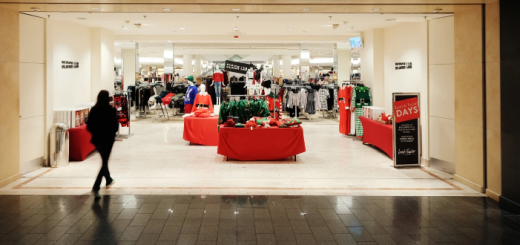
A Quiet Goodbye That Marked the End of an Era
The end came quietly—almost unnoticed at first.
There were no dramatic announcements echoing through crowded aisles, no final rush that captured the magnitude of what was happening.
Instead, it felt like something slowly fading away… a presence people had grown used to, now slipping into memory.
For decades, this place had been more than just a store. It was where people marked moments—buying outfits for milestones, preparing for holidays, or simply enjoying the experience of browsing through carefully arranged displays.
It wasn’t just about shopping; it was about atmosphere, routine, and a sense of occasion.
But behind the scenes, change had been building for years.
The rise of e-commerce steadily reshaped how people shop, prioritizing speed and convenience over experience.
Then came the COVID-19, which accelerated that shift almost overnight.
With empty streets, reduced foot traffic, and prolonged closures, traditional retail spaces faced pressures they were never designed to withstand.
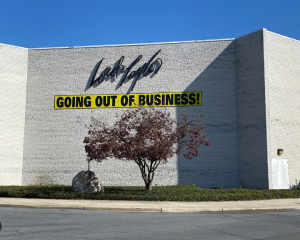
Attempts to adapt—downsizing, restructuring, and focusing on fewer locations—offered only temporary relief. The reality was becoming unavoidable.
It was in the middle of this transformation that the full weight of the loss became clear: the retailer quietly closing its doors was none other than Lord & Taylor, a name that had stood for nearly two centuries.
What began in 1826 had grown into a cultural fixture, shaping not only shopping habits but also the identity of urban retail itself.
For many, its closure represents something deeper than a business shutting down. It reflects a broader shift in how people interact with physical spaces.
The rituals that once defined in-person shopping—trying on clothes, speaking with staff, spending time exploring—are steadily being replaced by clicks, algorithms, and fast delivery.
While digital commerce continues to grow, something less tangible is fading: the experience, the atmosphere, and the human connection that physical stores once provided.
Today, as storefronts go dark and familiar signs disappear, what remains is memory. Not just of a brand, but of a time when shopping was an experience—something shared, something felt.
And in that quiet ending lies a much bigger story: not just the fall of a retailer, but the transformation of how we live, shop, and connect.