Redistricting Battle Intensifies as Both Parties Push for Advantage
Across the United States, the debate over redistricting is becoming one of the most important—and controversial—political battles.
At its core, redistricting is the process of redrawing congressional district boundaries, something that typically happens after each census.
But in recent years, the process has taken on a more aggressive tone, with both major parties looking for ways to strengthen their position.
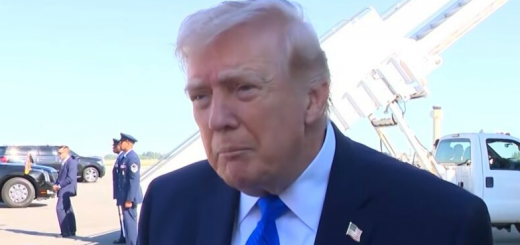
In several states, Republican leaders have made it clear they are aiming to maximize their representation where possible.
Supporters argue this is a legal and strategic use of political power, especially in states where they hold legislative control. Critics, however, say these efforts risk prioritizing political outcomes over fair representation.
States like North Carolina, Texas, and Ohio have been at the center of these discussions, with proposed or ongoing changes drawing national attention.
Democrats Respond With Their Own Plans
Democrats have not remained on the sidelines.
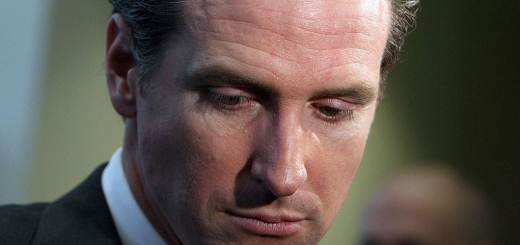
In California, Governor Gavin Newsom has suggested revisiting the state’s independent redistricting system—an approach originally designed to reduce partisan influence.
Supporters of this move see it as a necessary response to actions in other states. Critics argue it could undermine reforms meant to keep the process neutral.
A System Under Pressure
What makes this moment different is the scale and timing.
Traditionally, redistricting happens once per decade following the census. Now, in some cases, maps are being challenged, revised, or reconsidered within the same decade.
This has led to:
- An increase in legal challenges
- Greater public scrutiny
- Ongoing debates about fairness and transparency
For many voters, the process can feel distant—but its impact is direct, shaping who represents them in Congress.
The Bigger Question
At the center of the debate is a larger issue:
Should political maps be used as a strategic tool—or should they be insulated from politics as much as possible?
There is no simple answer.
Both parties argue they are responding to the actions of the other, creating a cycle where each move is justified as a reaction rather than an escalation.
Why It Matters
Redistricting may seem technical, but it plays a major role in elections.
The way district lines are drawn can influence:
- Which candidates are more likely to win
- How competitive elections are
- How communities are represented
That’s why the issue continues to draw attention from lawmakers, courts, and voters alike.
Final Thought
As both sides continue to push for advantage, the redistricting debate is unlikely to slow down.
For voters, the key question remains not just who wins elections—but how those elections are shaped in the first place.
And as this process evolves, it will continue to influence the balance of power in ways that extend far beyond any single election cycle.