Why Social Media Is Debating Military Service – And What the Law Really Allows
As tensions in the Middle East dominate headlines, a separate debate has been gaining momentum online — one centered not on military strategy, but on political accountability.
The hashtag #SendBarron recently began trending across social media platforms.
While provocative on its surface, the conversation is less about one individual and more about broader public frustration over leadership and military decisions.
Where the Debate Comes From
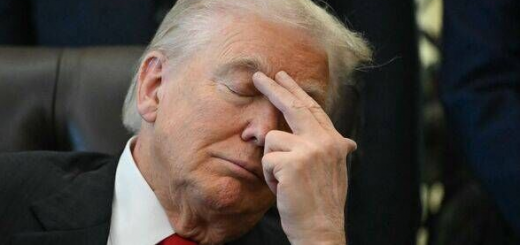
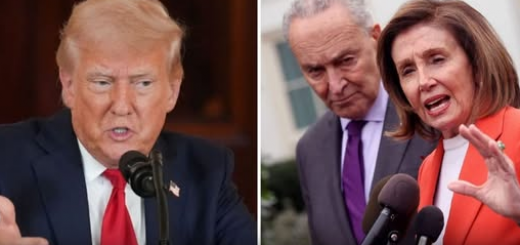
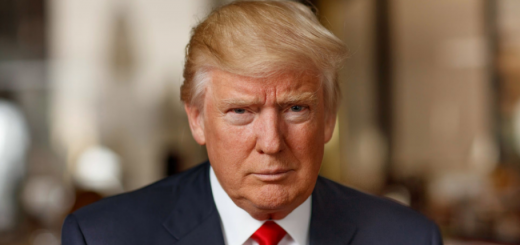
Critics of former President Donald Trump have pointed to historical discussions about his Vietnam-era draft deferments.
During the 1960s, Trump received several deferments, including one for bone spurs — a matter that has been debated publicly for years.
None of Trump’s children have served in the U.S. armed forces, which some online commenters cite when discussing political leaders and military action.
For many participants, the hashtag reflects a recurring sentiment: that leaders who authorize military operations should share in the risks faced by service members. Others argue that targeting family members — especially those not involved in policymaking — crosses a line.
What About Military Eligibility?
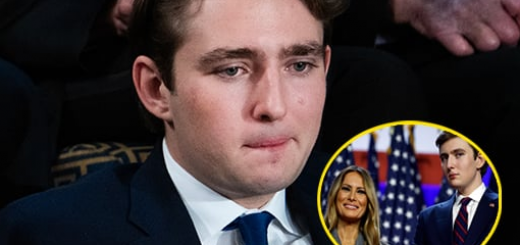
Barron Trump, who is approaching draft-registration age, would fall within the required age bracket for Selective Service registration if applicable. However, it is important to clarify:
-
The United States does not currently have an active military draft.
-
Registration with the Selective Service System does not mean immediate or automatic military service.
-
Any future draft would require Congressional action.
-
Medical and physical eligibility standards vary across branches and roles.
Online claims about automatic disqualification based solely on height or physical measurements oversimplify how military screening works. Each branch of the U.S. Armed Forces sets detailed health and fitness standards, and eligibility depends on a range of medical and policy factors — not a single characteristic.
The Broader Conversation
The online reaction reflects deeper tensions around war, privilege, and responsibility.
Some Americans argue that political leaders should demonstrate personal accountability when authorizing military force.
Others counter that directing criticism toward family members — particularly young adults not involved in governance — distracts from serious policy discussions.
Military service remains voluntary in the United States, and many veterans emphasize that service decisions are personal and complex.
Why This Debate Resonates
Moments of geopolitical tension often amplify existing divides. Social media can transform frustration into viral slogans quickly, especially when emotions are high.
Whether viewed as satire, protest rhetoric, or misplaced anger, the discussion highlights ongoing public debate about leadership, service, and civic responsibility in times of conflict.