Speculation Swirls That Conservative Supreme Court Justice May Retire – And What It Could Mean for the Court
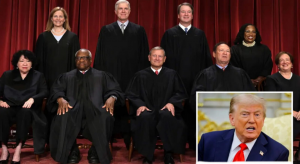
Political observers in Washington are closely watching developments surrounding Samuel Alito, as speculation increases about whether the veteran Supreme Court justice may decide to retire in the near future.
Alito, who joined the Court in 2006 after being nominated by George W. Bush, is currently 75 years old and one of the longest-serving members of the Court.
Over nearly two decades on the bench, he has played a central role in shaping major constitutional decisions, particularly in cases involving executive authority, religious liberty, and administrative law.
While there has been no official announcement from Alito or the Court, discussion has intensified among legal scholars and political analysts.
Retirement timing for Supreme Court justices is often strategic, influenced by political conditions, Senate control, and the broader electoral calendar.
Why the Timing Matters
If a retirement were to occur while Republicans hold control of the Senate and the White House, it could allow Donald Trump to nominate a successor and potentially secure confirmation before the next election cycle.
Historically, Supreme Court confirmations become significantly more complicated during election years.
As a result, observers note that if Alito were considering stepping down, an announcement before mid-2026 could provide a clearer path for confirmation proceedings.
Adding another layer to the discussion is Alito’s upcoming book release later this year.
Some analysts suggest that publishing a major work during an active Court term may be logistically challenging, leading to questions about whether he intends to remain on the bench long term.
Others argue the opposite — that remaining a sitting justice could strengthen interest in the book.
The Broader Court Landscape
Currently, the Supreme Court maintains a 6–3 conservative majority.
Supreme Court watchers are trying to read the tea leaves for a possible retirement annoucement by Justice Samuel Alito. https://t.co/JCMpL2RCTU
— USA TODAY (@USATODAY) February 17, 2026
Any change to its composition would have lasting implications for decisions on immigration, federal regulatory authority, constitutional interpretation, and other high-profile matters scheduled in upcoming terms.
It is worth noting that Supreme Court justices often serve well into their late seventies or eighties.
In modern history, the average retirement age has been around 79. Alito, who will turn 76 this year, remains within the typical range of active service.
Court officials have not indicated any forthcoming changes, and Alito continues to participate fully in the Court’s current docket.
A Decision With Long-Term Impact
Should Alito ultimately decide to retire, it would mark the end of a significant era in the Court’s modern conservative jurisprudence.
It would also give the sitting president an opportunity to shape the Court for decades to come, potentially influencing constitutional interpretation long after current political dynamics shift.
For now, however, all discussion remains speculative. Until an official statement is made, Justice Alito remains an active member of the Supreme Court — and the future of the Court’s composition remains unchanged.