A Sudden Bite Left My 7-Year-Old’s Arm Swollen — What We Discovered Hours Later Surprised Us
It started like any ordinary afternoon.
My 7-year-old son had been playing outside, moving between the backyard and the house, completely carefree — the way kids should be.
There was nothing unusual, nothing to suggest that within minutes, everything would feel different.
Then suddenly, the door swung open.
He came running inside, holding his arm tightly.
At first, I noticed his expression before anything else. It wasn’t just discomfort — it was confusion, mixed with fear.
The kind of look that instantly makes a parent stop whatever they’re doing.
Something wasn’t right.
⚠️ A Mark That Didn’t Look “Normal”
When I got closer, I saw it.
A red, swollen patch on his arm — uneven, irritated, and more intense than a typical scratch or mild bug bite. It didn’t look familiar, and that’s what made it unsettling.
In moments like this, your mind doesn’t move slowly. It races.
You try to stay calm on the outside, but internally, questions stack up fast:
- What caused this?
- Is it dangerous?
- Is it getting worse?
I examined the area carefully, doing my best not to alarm him. He was still talking, still alert — which helped — but the mark itself didn’t offer any easy answers.
📸 Turning to the Internet (And Its Uncertainty)
Not knowing what I was dealing with, I did what many people do today — I took a photo and shared it in a small online group, hoping someone might recognize it.
The responses came in gradually.
Some suggested a common insect bite.
Others mentioned skin irritation or a mild allergic reaction.
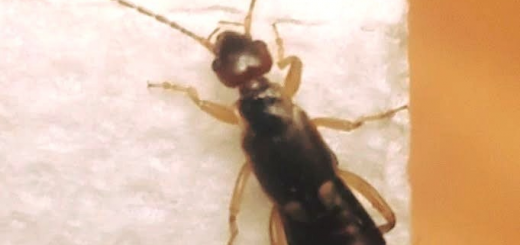
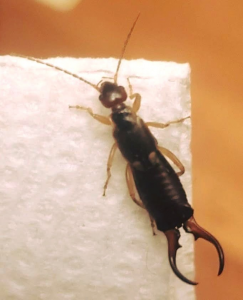
A few brought up something I hadn’t expected: earwigs.
That caught my attention.
🐜 What We Learned About Earwigs (And Similar Insects)
Like many people, I had always associated earwigs with their appearance rather than their behavior. But after looking into it more carefully, I learned something important:
- Earwigs are commonly found in gardens, damp soil, and shaded outdoor areas
- They are not considered dangerous to humans
- Their pincers can occasionally cause minor skin irritation, but serious reactions are rare
In other words, while they may look intimidating, they are not typically a medical threat.
Still, when it comes to your child, even “minor” doesn’t feel minor in the moment.
⚖️ The Problem With Guessing From a Photo
As helpful as the online responses were, they also highlighted something important:
A photo alone isn’t a diagnosis.
What appears to be an insect bite could also be:
- A mild allergic reaction
- Contact irritation (plants, grass, chemicals)
- A different type of bite entirely
That uncertainty is often what makes these situations feel overwhelming. You’re not just reacting to what you see — you’re reacting to everything you don’t know.
👀 Watching, Waiting, and Staying Calm
Instead of jumping to conclusions, I focused on what mattered most.
I gently cleaned the area.
Kept an eye on the swelling.
Watched for any changes in behavior.
Over the next several hours, something reassuring happened:
- The swelling didn’t worsen
- He stayed active and alert
- There were no additional symptoms
That’s when the tension finally started to ease.
🌿 A Closer Look at the Environment
Later, a family member mentioned seeing increased insect activity around their home — especially in damp outdoor areas and near garden edges.
That made sense.
Many insects — including earwigs — prefer:
- Moist environments
- Dark, sheltered spaces
- Areas with leaves, soil, or organic debris
They typically avoid human contact, but occasional encounters can happen, especially during warmer months.
💡 What This Experience Taught Me
Looking back, what stayed with me wasn’t just the mark on his arm — it was how quickly fear took over.
That’s what parenting does.
When something affects your child, even briefly, your instincts switch on immediately. Small situations can feel enormous when they happen suddenly and without explanation.
But this experience reinforced something important:
👉 Panic often arrives faster than facts.
👉 Observation and patience lead to better decisions.
✅ When to Seek Medical Attention
While this situation resolved on its own, it’s always important to know when to act quickly.
Seek medical advice if you notice:
- Rapidly increasing swelling
- Severe pain
- Signs of infection (pus, warmth, spreading redness)
- Fever or unusual fatigue
- Difficulty breathing or allergic reactions
When in doubt, it’s always safest to consult a healthcare professional.
❤️ The Outcome
In the end, the mark faded.
My son was completely fine.
What began as a frightening moment turned into something else — a reminder that not every alarming situation is a crisis, even if it feels like one at first.
Sometimes, the best response is simple:
Stay calm.
Stay observant.
And let understanding replace fear.