Sudden Confusion or Trouble Speaking: When It’s More Than Just Fatigue
A stroke can happen suddenly and without warning. According to Healthline, a stroke occurs when blood flow to part of the brain is blocked, causing brain cells to begin dying within minutes.
Because time is critical, getting medical help quickly can make the difference between full recovery and long-term disability.
The American Heart Association (AHA) and American Stroke Association (ASA) note that treatment within the first 4.5 hours of symptoms gives patients a better chance of avoiding major complications.
How to Recognize a Stroke — FAST
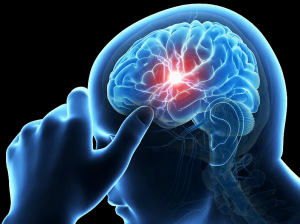
Knowing the warning signs can help you act immediately if you or someone near you shows symptoms. The FAST test is a simple guide:
Face: Ask the person to smile. Does one side droop?
Arms: Can they raise both arms and hold them up?
Speech: Are their words slurred or hard to understand?
Time: If you notice any of these signs, call emergency services right away.
What About Headaches and “Mini-Strokes”?
There are usually no guaranteed early warning signs before a major stroke.
However, a 2020 study published in The Journal of Headache and Pain found that about 15% of ischemic stroke patients reported a headache shortly before their stroke.
Additionally, a transient ischemic attack (TIA), often called a mini-stroke, can cause stroke-like symptoms that last minutes or hours. While the effects may pass, a TIA is still a medical emergency.
Research shows:
About one-third of people who experience a TIA may later suffer a stroke.
However, recent studies in JAMA Network suggest improved treatment and awareness are helping reduce this risk.
Other Possible Stroke Symptoms
A person may also experience:
sudden numbness or weakness, especially on one side of the body
confusion or difficulty speaking
vision loss or blurred vision
dizziness or trouble walking
These symptoms should never be ignored.
Why Fast Action Matters
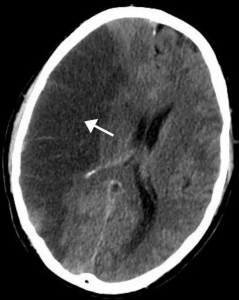
Calling for help immediately is essential.
Rapid treatment can:
protect brain function
reduce long-term damage
improve recovery
The Bottom Line
Recognizing symptoms early and responding quickly can save a life. Staying informed, and knowing when to seek help — is one of the most powerful tools we have.
Please consider sharing this article so more people learn how to spot the signs and act fast.
This information is educational only and should not replace professional medical advice. Always consult a healthcare provider if you have concerns about stroke symptoms.