Tim Walz Steps Back From Re-Election Bid as Minnesota Fraud Case Draws National Attention
Minnesota Governor Tim Walz has announced that he will not seek a third term in office, choosing instead to step away from the 2026 race amid growing scrutiny surrounding a large-scale welfare fraud case in the state.
The decision follows months of political pressure after Walz’s unsuccessful 2024 vice-presidential campaign and renewed national focus on oversight of public assistance programs.
In a statement released Monday, Walz said the increasingly charged political climate made it difficult to balance campaigning with governing.
He explained that after discussions with his family and advisers over the holidays, he concluded that continuing a re-election effort would distract from what he described as his primary responsibility: addressing misconduct and protecting Minnesota residents.
Walz emphasized accountability, stating that the fraud occurred during his administration and that addressing it must remain his top priority. He said stepping aside would allow him to focus fully on strengthening oversight, improving safeguards, and restoring public trust rather than defending his political future.
A Fraud Case With Far-Reaching Implications
The controversy centers on a sprawling investigation into alleged misuse of federal and state assistance programs during the COVID-19 era. Since 2022, more than 90 individuals have been charged in connection with schemes involving meal programs, childcare services, housing assistance, and Medicaid billing.
Federal prosecutors have described it as one of the largest pandemic-related fraud cases in the country, with losses potentially exceeding hundreds of millions of dollars. Final figures are still being determined.
Court filings indicate that some defendants used misappropriated funds for luxury purchases and overseas travel. Authorities have also noted that a portion of the money moved through international channels, prompting additional financial tracing by investigators. Officials stress that these findings remain part of an ongoing legal process.
Political Fallout and Federal Response
The case has become a focal point in national political debate, drawing criticism from Republicans and renewed scrutiny from federal agencies. Former President Donald Trump has repeatedly attacked Walz’s leadership, while some Democrats have privately questioned whether the administration moved quickly enough to prevent abuse.
In response to allegations raised publicly in recent weeks, the U.S. Department of Health and Human Services temporarily paused certain federal childcare payments to Minnesota while requesting expanded documentation and audits.
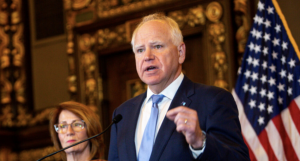
Federal officials say the measures are intended to strengthen accountability nationwide, not solely in Minnesota.
Walz sharply criticized the funding freeze, arguing that it risks harming working families and vulnerable children. He accused political opponents of using the situation to undermine social support programs rather than focusing on long-term solutions.
A Strategic Exit, Not a Political Goodbye
Walz first launched his third-term campaign in September, but the mounting controversy appears to have reshaped his plans.
While he is stepping away from electoral politics for now, he has made clear that he intends to remain actively involved in state governance through the remainder of his term.
Observers note that the decision reflects a broader challenge facing state leaders nationwide: balancing transparency, public trust, and rapid program expansion during emergencies. The Minnesota case has become a cautionary example of how quickly well-intentioned aid efforts can be exploited without sufficient safeguards.
As investigations continue and reforms are debated, Walz’s exit from the race underscores the political cost of administrative failures—even when wrongdoing is carried out by third parties rather than policymakers themselves.
Whether his decision stabilizes the situation or reshapes Minnesota’s political landscape remains to be seen, but for now, the governor has made his position clear: governing comes before campaigning.