Why a Toad Appears in Your Home: Meaning, Benefits, and What to Know
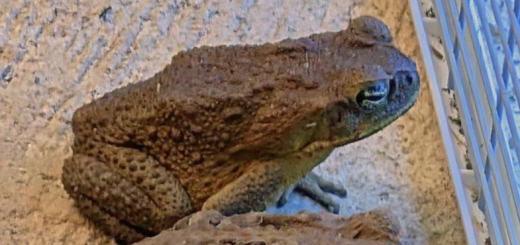
A toad appearing in or around your home may seem unusual at first, but in most cases, it has a simple and natural explanation.
These small amphibians are drawn to environments that offer what they need to survive: moisture, shelter, and a reliable food source.
Gardens with damp soil, shaded areas, plant pots, or outdoor lights that attract insects can unintentionally create the perfect habitat. In that sense, a toad’s presence is often a sign that your outdoor space supports a healthy, balanced ecosystem.
From a practical standpoint, toads are beneficial visitors. They feed on insects such as beetles, ants, and other small pests, helping to naturally control populations that might otherwise damage plants or become a nuisance.
Unlike chemical solutions, they do this quietly and without disrupting the environment.
For homeowners interested in low-maintenance, eco-friendly gardening, having a toad nearby can actually be an advantage rather than a concern.
Beyond biology, toads have held symbolic meaning in many cultures throughout history.
They are often associated with transformation and renewal, largely because of their life cycle, which begins in water and gradually shifts to life on land.
This visible process of change has made them a recurring symbol in folklore and storytelling, representing growth, adaptation, and new phases of life.
While these interpretations are cultural rather than scientific, they continue to influence how people perceive encounters with wildlife.
It’s also worth noting that toads are generally harmless to humans. They prefer to avoid contact and will typically stay hidden during the day, becoming more active at night.
If one appears indoors, it is usually accidental—perhaps entering through an open door or being drawn toward moisture.
In such cases, gently guiding it back outside is the best approach.
In the end, a toad’s presence is less about mystery and more about environment. It reflects the conditions around your home—conditions that support small forms of life and contribute to a natural balance.
Whether viewed as a helpful garden companion or simply a passing visitor, it offers a quiet reminder of how closely everyday spaces are connected to the broader rhythms of nature.