Trump Discusses Possible Future of Strait of Hormuz Amid Ongoing Tensions
Public remarks about global trade routes often draw attention—especially when they involve one of the world’s most strategically important waterways.
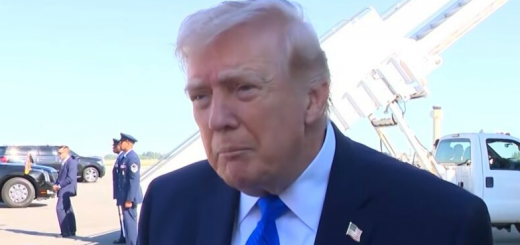
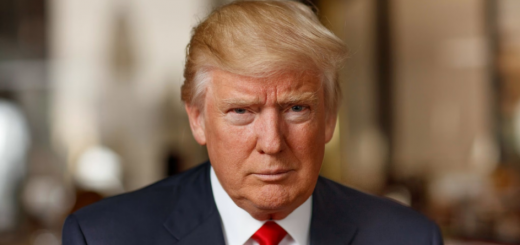
That was the case when Donald Trump spoke with reporters about the future of the Strait of Hormuz, a narrow passage that plays a key role in international energy supply.
A Conversation That Sparked Interest
While answering questions, Trump suggested that a resolution involving the waterway could emerge if ongoing discussions with Iran move forward.
He indicated that the strait could reopen more fully in the near future, describing the situation as something that might be resolved through cooperation.
At one point, he mentioned the possibility of shared oversight in a light, informal tone, referencing both himself and Iran’s leadership.
The Importance of the Strait
The Strait of Hormuz is one of the most critical maritime routes in the world. A significant portion of global oil shipments passes through this narrow channel, making stability in the region essential for international markets.
Because of its importance, even brief disruptions or uncertainty can have wide-reaching effects.
Mixed Signals From Both Sides
While Trump expressed optimism about potential progress, officials in Iran have publicly pushed back on suggestions of direct discussions or agreements.
Statements reported by Iranian media indicated that no formal contact had taken place, highlighting the complexity of the situation.
At the same time, both sides have made comments reflecting ongoing tensions, as well as the possibility of further developments.
A Situation Still Evolving
Observers note that public statements during sensitive international situations can sometimes reflect positioning rather than finalized plans.
Discussions involving major global routes and regional dynamics typically involve multiple parties and require careful negotiation over time.
What to Watch Moving Forward
For now, the situation remains fluid. While there are indications of dialogue and potential progress, no official agreement has been confirmed.
Moments like these often signal the early stages of broader conversations—where tone, messaging, and timing all play an important role.