Trump Intensifies Message Toward Iran as Cease-Fire Concerns and Talks Emerge
Rising Tensions Ahead of Critical Talks
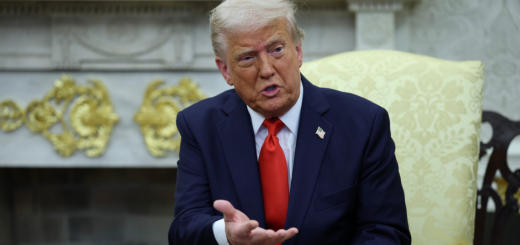
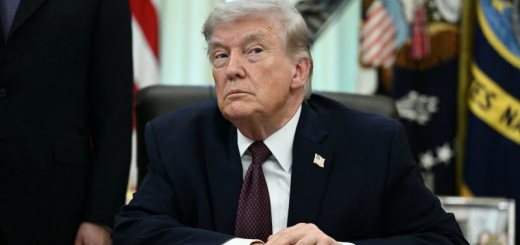
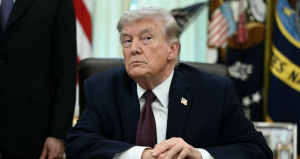
As diplomatic efforts begin to take shape, Donald Trump has sharpened his public messaging toward Iran, signaling growing pressure ahead of potential negotiations.
The remarks come amid reports of cease-fire concerns and heightened attention on global shipping routes—particularly those critical to the world’s energy supply.
One of the key issues raised involves the Strait of Hormuz, a narrow passage through which a significant portion of global oil shipments travels.
Any disruption in this region can have ripple effects across international markets, making it a focal point for both economic and security discussions.
Trump’s statements emphasized the importance of keeping such routes open and secure, framing them as vital not just for the United States, but for multiple global economies.
In recent public comments, Trump described Iran as being in a weakened position while still attempting to exert influence through regional leverage.
He also pointed to ongoing concerns related to maritime threats and broader security dynamics in the region.
While the language used was direct, it aligns with a broader pattern of assertive rhetoric often seen during periods of geopolitical negotiation.
At the same time, preparations are reportedly underway for discussions involving senior U.S. officials.
Delegations connected to JD Vance and other key figures are expected to participate in talks aimed at easing tensions and exploring possible pathways forward.
Such meetings typically focus on:
- Reducing the risk of escalation
- Addressing regional security concerns
- Establishing frameworks for longer-term stability
Very cool seeing the wave of empty tankers heading to the US to pick up some desperately needed crude for Hormuz-starved markets.
All the tankers on the map below are empty VLCCs (~2 million barrel capacity each) currently heading for the US Gulf Coast. https://t.co/lU7GCy7olm pic.twitter.com/I7QidvD0Rz
— Rory Johnston (@Rory_Johnston) April 10, 2026
Back in the United States, reactions to the situation have varied.
John Fetterman publicly commented on media coverage of Iran, suggesting that narratives surrounding the issue can differ significantly depending on perspective.
His remarks reflect a broader conversation within U.S. political and media circles about how international conflicts are interpreted and communicated.
The situation is unfolding against a backdrop of ongoing geopolitical challenges, including past military actions and disputes over intelligence and targeting accuracy.
Officials and analysts generally emphasize that such developments require careful review and verification, especially when multiple sources provide differing accounts.
For readers and observers, separating confirmed facts from early or conflicting reports remains essential.
Periods leading up to negotiations are often marked by strong public messaging from all sides.
🇺🇸🇮🇷 Senator John Fetterman went straight for the jugular.
In a blunt interview, the Pennsylvania Democrat accused American media of “essentially carrying water for Iran” while urging the U.S. to seize the moment and finish the threat.pic.twitter.com/YQrM02xxFG https://t.co/nCgqAR0utG
— Corefrontline (@corefrontline) April 10, 2026
Experts note that rhetoric can serve multiple purposes:
- Signaling negotiating positions
- Influencing public perception
- Applying strategic pressure
At the same time, the ultimate direction of events depends on what happens behind closed doors during diplomatic talks.
As discussions approach, the combination of strong rhetoric, strategic concerns, and diplomatic engagement highlights the complexity of the situation.
While headlines often focus on bold statements, the real impact will likely emerge from the outcomes of upcoming negotiations—and whether they lead to de-escalation or continued tension.