Trump’s Remark About Karoline Leavitt Draws Attention – Here’s What Actually Happened
During a recent Oval Office press interaction, Donald Trump delivered a mix of criticism, humor, and familiar media skepticism — but one brief exchange with his press secretary, Karoline Leavitt, quickly became the focal point.
Speaking to reporters, Trump reiterated a long-standing claim that media coverage of him is overwhelmingly negative.
He suggested that as much as “93 percent” — or even higher — of reporting about him is unfavorable.
While those figures were not backed by specific data during the exchange, they reflect a recurring argument he has made for years about perceived bias in mainstream media.
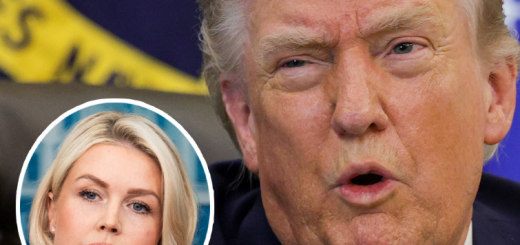
In the middle of that discussion, Trump momentarily shifted his attention to Leavitt.
In a tone that appeared sarcastic, he joked, “Maybe Karoline’s doing a poor job,” before adding more bluntly, “You’re doing a terrible job.”
The remark immediately stood out for its directness, but the context suggested it was not intended as a serious criticism.
Trump quickly followed up with a lighter note, joking about whether she should remain in her role and concluding, “I think we’ll keep her.”
A Familiar Communication Style
Moments like this are consistent with Trump’s public speaking style, which often blends exaggeration, humor, and sharp commentary. Supporters frequently interpret these exchanges as candid or entertaining, while critics view them as raising questions about tone and professionalism in official settings.
The interaction also highlights how even close aides can become part of the broader messaging dynamic — sometimes as participants in unscripted or performative moments that attract public attention.
The Broader Message Behind the Moment
Beyond the brief exchange, Trump returned to a central theme of his political messaging: criticism of the media. He described major outlets as biased and repeated claims that they act in opposition to him. This framing has been a consistent element of his rhetoric dating back to his earliest campaigns.
He also touched on the role of broadcast networks, suggesting they could face consequences for what he sees as unfair coverage.
Comments like these often generate debate, particularly around issues of press freedom and the limits of government influence over media institutions.
Why This Moment Matters
While the exchange with Leavitt was brief and appeared lighthearted, it underscores a larger pattern in modern political communication — where tone, delivery, and perception can be just as impactful as policy itself.
For some, the moment reflects a strategic and engaging communication style. For others, it raises broader concerns about messaging discipline and institutional norms.
Either way, it demonstrates how even offhand remarks can quickly become part of a larger national conversation.