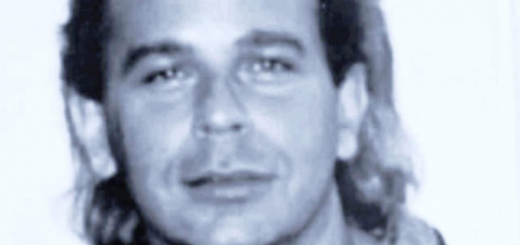
He Turned Childhood Struggles Into a Sound That Changed Music
Some stories don’t begin with inspiration. They begin with silence.
In one quiet California household, strict rules shaped daily life. Music was limited. Emotions were contained.
Questions were often left unspoken.
When illness entered the home, it was met not with open discussion, but with belief systems that discouraged certain forms of treatment.
For a young boy growing up in that environment, confusion and fear became part of everyday life.
Loss came early—and without the kind of support a child needs to process it.
Instead of healing, the experience settled deep, forming a quiet tension that would follow him into adolescence. Anger, isolation, and uncertainty didn’t disappear.

They evolved. By his teenage years, that emotional weight began to look for an outlet—and it found one in music.
At first, it was raw and unpolished. Loud guitars. Aggressive rhythms. A style that didn’t try to hide emotion, but amplified it.
What started as a personal release slowly turned into something bigger, as the intensity of that sound began to resonate with others who felt the same things but couldn’t always express them.
Then, in the middle of that rising momentum, the world learned his name: James Hetfield.

As the co-founder and frontman of Metallica, Hetfield helped shape a genre that would redefine modern rock.
His voice—powerful, controlled, and unmistakably raw—became one of the most recognizable in music. Songs like Enter Sandman and Nothing Else Matters didn’t just top charts; they connected deeply with audiences around the world.
But success didn’t erase the past.

Behind the sold-out tours and global recognition, the same unresolved struggles remained.
The pressure of fame, combined with years of unprocessed emotion, led to personal challenges that became increasingly difficult to ignore. Like many artists who channel pain into their work, Hetfield found that expression alone wasn’t enough to bring balance.
Eventually, he made a different choice.
Stepping away from the spotlight at key moments, he sought help—openly acknowledging the need for change.
Through rehabilitation, reflection, and a willingness to confront his past, he began rebuilding not just his career, but his life.

What followed wasn’t a complete erasure of hardship, but something more meaningful: transformation.
His music evolved. His presence shifted. And for many fans, that honesty became just as powerful as the songs themselves.
The same voice that once carried anger began to carry understanding, resilience, and connection.
Today, his story stands as a reminder that adversity doesn’t define greatness—what you do with it does.
Because in the end, it wasn’t just the sound he created that left a mark on the world.
It was the decision to face what shaped it—and turn it into something others could hold onto when they needed it most.