Two Nations Impose Travel Restrictions on U.S. Citizens as Global Tensions Rise
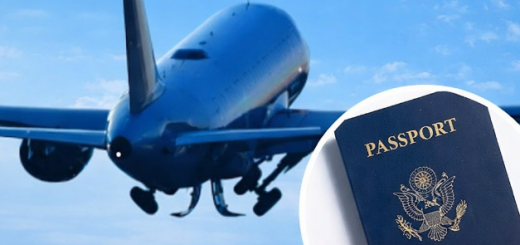
As the United States expands travel restrictions on several nations, governments around the world are taking notice.
The White House frames the new rules as a security measure aimed at ensuring travelers meet U.S. standards, but the policy has sparked international responses and concern over diplomacy and global mobility.
In reaction to these restrictions, Burkina Faso and Mali have announced reciprocal measures, limiting travel for American citizens.
Officials in both countries cited reciprocity and national sovereignty as reasons for their decisions, emphasizing that the measures are meant to protect citizens while responding to U.S. policy.
These moves highlight the delicate balance between security, diplomacy, and international cooperation.
The U.S. has also introduced enhanced airport screening measures, including expanded biometric checks such as facial recognition for non-citizens.
While intended to improve border security, privacy advocates and international observers caution that stricter rules could complicate travel for tourists, business professionals, aid workers, and journalists.
These developments reflect a growing trend of countries implementing stricter travel policies in response to others’ restrictions.
Travelers worldwide may face increased uncertainty as visa rules, border controls, and international agreements evolve.
For now, Burkina Faso and Mali’s reciprocal actions serve as a clear reminder of how rapidly global travel rules can change, reshaping mobility, business, and international relations.