Veteran’s Strong Remarks Spark Debate on Duty and Family Boundaries
Public figures often attract strong opinions, but when those opinions involve family members, the conversation can quickly become more complex.
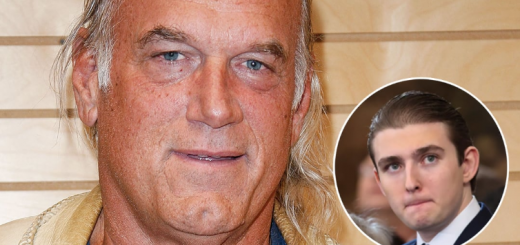
Recent remarks attributed to Jesse Ventura have sparked discussion online, particularly because they touch on themes of military service, public responsibility, and the boundaries of political criticism.
Ventura, a Vietnam-era veteran and former governor of Minnesota, has long been outspoken about issues related to service and national duty.
Over the years, he has emphasized the importance of accountability for those in positions of influence, often framing military service as a significant measure of commitment to one’s country.
His perspective reflects a broader sentiment shared by some veterans who view service as a defining civic contribution.
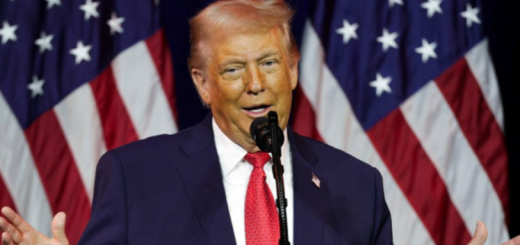
In this context, Ventura’s recent comments reportedly extended beyond political leadership and into personal territory, referencing members of the Donald Trump family.
Discussions about military service and public figures are not new, particularly given past scrutiny of deferments during the Vietnam War era.
However, bringing younger or less publicly active family members into the conversation has raised questions about fairness and relevance.
It is important to note that Barron Trump is not a public officeholder and has largely remained outside of political debate.
As a result, commentary involving him tends to generate mixed reactions, with some arguing that family members should be kept separate from political disputes.
More broadly, the situation highlights an ongoing debate about expectations placed on public figures and their families.
While some believe that calls for service or sacrifice should apply universally, others stress that individual circumstances and personal choices must be considered. These discussions often reflect deeper divisions about what constitutes responsibility, leadership, and fairness in public life.
As reactions continue, the episode serves as a reminder of how quickly political discourse can shift from policy to personal matters.
It also underscores the importance of measured dialogue, particularly when conversations involve individuals who are not directly engaged in public decision-making.