Washing Broccoli with Just Water Isn’t Enough – Here’s the Safer, More Effective Method
Broccoli has long been considered one of the healthiest vegetables you can put on your plate.
Packed with vitamins, fiber, and plant-based nutrients, it’s a staple in kitchens around the world.
But while many people focus on how to cook it, far fewer think about how to clean it properly — and that’s where a common mistake happens.
At first glance, rinsing broccoli under running water might seem sufficient. It’s quick, easy, and feels like the obvious step.
But because of the way broccoli is structured, that simple rinse often doesn’t go nearly far enough.
Why a Quick Rinse Isn’t Always Enough
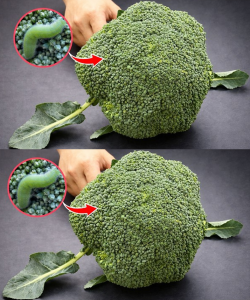
Broccoli florets are tightly packed with small buds and tiny spaces. This natural structure makes it easy for unwanted substances to get trapped inside, including:
Dirt and debris
Residual pesticides
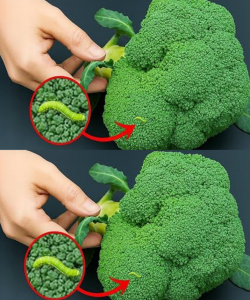
Small insects or eggs
A surface rinse may remove what’s visible, but it rarely reaches deep into those compact layers. That’s why a more thorough cleaning method can make a real difference.
A Simple Method That Goes Deeper
If you want to clean broccoli more effectively, a short soaking process can help loosen and remove what water alone may leave behind.
Step 1: Cut into florets
Start by separating the broccoli into smaller pieces. This exposes more surface area and allows water to reach hidden spots.
Step 2: Prepare a soaking solution
Fill a large bowl with water and add:
1 tablespoon of salt
1 teaspoon of baking soda
Mix until dissolved.
Step 3: Soak
Place the broccoli in the solution and let it sit for 5–10 minutes. During this time, the mixture helps loosen dirt and residues, while also encouraging any small insects to detach.
Step 4: Rinse thoroughly
After soaking, gently move the florets around, then rinse them well under running water.
Why This Method Works
Each ingredient plays a role:
Salt can help draw out small insects and loosen debris
Baking soda is commonly used to help reduce surface pesticide residues
Water + time allow the solution to reach into tight spaces that rinsing alone cannot
The result is broccoli that not only looks cleaner but is more thoroughly prepared for cooking.
Don’t Overlook the Stem
One part of broccoli that often gets discarded is the stem — but it’s completely edible and just as nutritious.
To prepare it:
Peel off the tough outer layer
Slice it into smaller pieces
Add it to stir-fries, soups, or even roast it alongside the florets
It has a mild, slightly sweet flavor and a satisfying crunch when cooked properly.
Easy Ways to Cook Broccoli
Once your broccoli is properly cleaned, it becomes even more enjoyable to use in simple recipes.
1. Baked Broccoli with Eggs and Cheese
Lightly blanch the broccoli for a minute or two, then place it in a baking dish. Pour over a mixture of eggs and yogurt or cream, add grated cheese, and bake until golden. The result is a soft, creamy dish with a rich flavor.
2. Steamed Broccoli with Eggs
Combine beaten eggs with warm water, add chopped broccoli (and optional vegetables like carrots), and steam until set. This creates a smooth, delicate texture that’s easy to digest.
Helpful Tips to Keep in Mind
Don’t skip the soaking step if you want a deeper clean
Avoid overcooking to preserve nutrients and color
A small amount of oil when boiling can help maintain a vibrant green appearance
Broccoli dishes are especially suitable for both children and older adults due to their soft texture and nutritional value
Final Thoughts
Cleaning broccoli properly is a small step that can make a meaningful difference. While rinsing with water is a good start, taking a few extra minutes to soak it can help remove what you don’t see — and give you greater confidence in what you’re serving.
In the end, it’s not just about making broccoli taste better — it’s about making it safer and more enjoyable to eat.