Why My Father Secretly Protected Our Family Home — And the Lesson I Never Expected to Learn
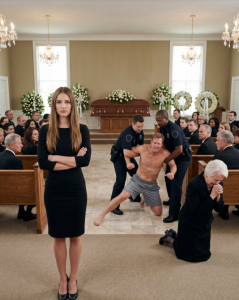
When my father passed away, I expected grief.
What I didn’t expect was to uncover a decision he had made years earlier—one that would completely change the way I viewed my family, my inheritance, and even my relationship with him.
At first, it felt like just another difficult chapter following a loss.
But over time, it became one of the most important lessons of my life.
A Time of Grief and Uncertainty
The days after my father’s funeral were a blur.
Like many families facing the loss of a loved one, practical concerns quickly began competing with emotions. Conversations shifted from memories and condolences to finances, property, and future plans.
One topic surfaced almost immediately: the family home.
It was the house where birthdays had been celebrated, holidays had been shared, and countless memories had been created over the years.
Yet before grief had fully settled, discussions about selling it had already begun.
My brother felt selling was the best option.
My mother agreed.
And standing there listening, I couldn’t shake the feeling that decisions were being made without me.
Unfortunately, that feeling wasn’t new.
Old Family Patterns Never Truly Disappear
Every family develops certain dynamics over time.
Some bring people closer together.
Others quietly create wounds that linger for years.
Growing up, I often felt my brother’s needs received immediate attention while mine were expected to wait.
When he needed support, solutions appeared quickly.
When I faced challenges, I learned to handle them myself.
Rather than becoming bitter, I focused on building my own path.
I worked hard, established a successful career, and created stability through persistence and discipline.
Still, standing inside that house after my father’s death, many of those old emotions resurfaced.
Loss has a way of reopening doors we thought had been closed long ago.
A Discovery Hidden in Plain Sight
While organizing my father’s office, I came across a collection of business documents connected to a corporation I vaguely remembered hearing about years earlier.
At first, they seemed unimportant.
Just paperwork.
But something caught my attention.
As an accountant, I had spent years learning that major discoveries often begin with small details.
Curiosity led me to look deeper.
What followed wasn’t a dramatic revelation.
It was a careful process of reviewing records, signatures, dates, legal filings, and ownership structures.
Piece by piece, a larger picture began to emerge.
And the more I learned, the more surprised I became.
Understanding My Father’s Decision
Eventually, an attorney helped explain what I was seeing.
Years earlier, my father had placed the family property into a legal structure designed to protect it.
His goal wasn’t secrecy for the sake of secrecy.
His intention appeared to be preservation.
For reasons known only to him, he wanted to ensure the home remained protected from future decisions that could place it at risk.
Whether others agreed with his approach or not, one thing became clear:
This wasn’t a last-minute decision.
He had spent years planning.
Years thinking about the future.
Years considering what might happen long after he was gone.
For the first time, I found myself looking at my father’s actions through a different lens.
Parents don’t always explain their concerns.
Sometimes they try to protect the people they love in ways that aren’t immediately understood.
Ownership Isn’t the Same as Winning
As the details became clear, emotions within the family intensified.
Some felt surprised.
Others felt disappointed.
There were difficult conversations, misunderstandings, and moments of frustration.
But something unexpected happened.
The more responsibility I inherited, the less it felt like a victory.
Owning a family home isn’t simply about possessing a valuable asset.
It’s about becoming a steward of memories.
Every room carries stories.
Every hallway holds echoes of the people who walked through it before.
The question was no longer what I had gained.
The question became:
What should I do with what had been entrusted to me?
The Balance Between Compassion and Boundaries
One of the most valuable lessons I learned during that period was the importance of balancing compassion with healthy boundaries.
Without compassion, relationships become cold.
Without boundaries, relationships can become unhealthy.
I wanted to help my family whenever possible.
But I also understood that helping someone doesn’t mean removing all responsibility from their choices.
Some decisions were difficult.
Some conversations were painful.
Yet I realized that genuine care sometimes requires saying “no” when saying “yes” would only continue harmful patterns.
True love isn’t always comfortable.
Sometimes it means encouraging growth, accountability, and responsibility.
A Letter That Changed Everything
Among my father’s belongings, I eventually discovered a letter.
It wasn’t dramatic.
It didn’t answer every question.
And it certainly didn’t erase years of complicated family history.
What it offered instead was perspective.
As I read his words, I began to understand that many of his decisions were not driven by control or favoritism.
They were driven by concern.
Concern for the future.
Concern for the family.
Concern for preserving something he believed mattered.
Parents leave behind more than financial assets.
They leave lessons.
Values.
Mistakes.
Sacrifices.
And often, those gifts aren’t fully understood until years later.
The Most Valuable Inheritance
Today, I understand something I didn’t understand then.
Inheritance isn’t really about property.
It’s about responsibility.
The responsibility to act wisely.
The responsibility to protect what matters.
The responsibility to treat people fairly, even when it’s difficult.
My father wasn’t perfect.
Neither am I.
But his actions taught me that love doesn’t always arrive in obvious ways.
Sometimes love appears through careful planning.
Sometimes it appears through sacrifice.
And sometimes it appears through difficult decisions that only make sense years later.
The house remains important.
But it isn’t the greatest thing my father left behind.
The greatest inheritance was the lesson hidden inside it:
What we preserve for future generations often matters far more than what we simply pass down.
And that’s a legacy worth protecting.