He Asked Me to Leave When I Was Pregnant – 18 Years Later, My Son Returned With a Message He Never Expected
At seventeen, my life changed in a single conversation.
I told my father I was pregnant—and in that quiet moment, I lost my home.
He wasn’t a man who raised his voice. He believed in order, control, and consequences. When I spoke the truth, he didn’t argue or accuse.
He simply opened the door and told me I would have to figure life out on my own.
That night, I left with one bag, no plan, and a child I hadn’t yet met.
The baby’s father disappeared soon after, and from that point on, it was just the two of us. I worked whatever jobs I could find—long shifts, short sleep, constant worry.
We lived in a tiny apartment with unreliable heat and constant noise, but I made a promise to myself every morning: my son would never feel unwanted.
I named him Liam.
He grew up watching effort turn into survival. By his mid-teens, he was working part-time at a local auto shop.
Customers trusted him. Supervisors relied on him. Responsibility came naturally to him—not because life was easy, but because it had never been.
On his 18th birthday, I asked what he wanted.
His answer caught me completely off guard.
“I want to meet Grandpa.”
The man who had walked away. The man who never reached out. The man whose absence shaped so much of our lives.
When I asked why, Liam said something I’ll never forget:
“I’m not going for anger. I just want closure.”
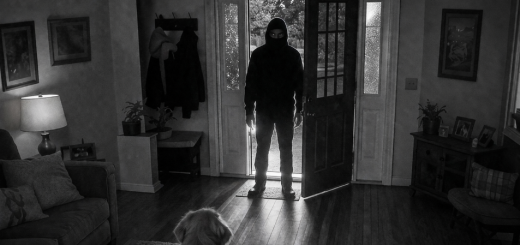
So we drove to the same house. Same driveway. Same porch light.
My father opened the door, clearly confused—until recognition settled in. Liam stood tall and handed him a small box. Inside was a single slice of birthday cake.
Then my son spoke calmly and clearly.
“I forgive you—for what you did to my mom, and for what you didn’t do for me.”
There was silence.
Then Liam added, “One day, I’ll be opening my own garage. I’ll work harder than anyone—not out of resentment, but because we learned how to survive without help.”
He turned, walked back to the car, and closed the door.
As we drove away, I struggled to hold back tears. Not from pain—but from pride.
“I’ve forgiven him,” Liam said quietly. “Maybe now you can too.”
In that moment, I understood something deeply important:
We weren’t defined by what we lost.
We were shaped by what we built.
Sometimes, the lowest point in life isn’t the end—it’s the foundation.