Decades Later, Carole King and James Taylor Proved That Great Music Never Grows Old
Some songs fade with time.
Others become even more meaningful with every passing decade.
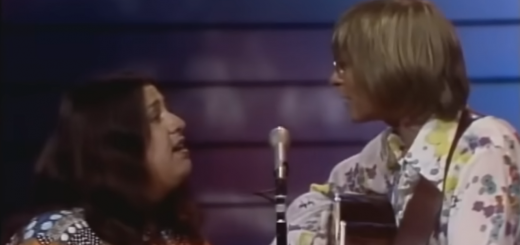
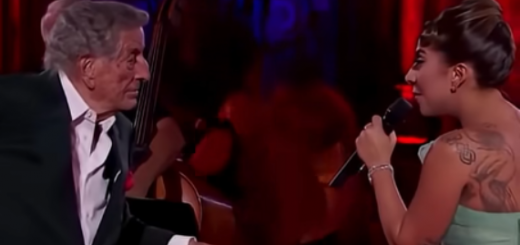
When Carole King and James Taylor reunited to perform “Will You Still Love Me Tomorrow” at the 2014 MusiCares Person of the Year tribute honoring King, the audience witnessed something that went far beyond nostalgia. It wasn’t simply a performance—it was a celebration of friendship, timeless songwriting, and two artists whose voices continue to connect with listeners across generations.
By that point, King and Taylor had spent more than five decades making music together. Their effortless chemistry was immediately apparent, with Taylor’s gentle acoustic guitar and warm harmonies perfectly complementing King’s unmistakable voice.
Rather than trying to recreate the past, they allowed the song to grow alongside them. The years had added new depth and emotion, transforming an already beloved classic into a performance filled with reflection, warmth, and quiet authenticity.
Originally written by Carole King and Gerry Goffin, “Will You Still Love Me Tomorrow” first became a No. 1 hit for The Shirelles in 1960. More than a decade later, King introduced her own deeply personal interpretation on her landmark 1971 album Tapestry, one of the most celebrated singer-songwriter albums in music history.
Since then, the song has continued to inspire new generations of performers.
In 2021, Taylor Swift honored Carole King during her induction into the Rock & Roll Hall of Fame by performing her own interpretation of the classic. The tribute served as another reminder that truly great songwriting never loses its emotional power—it simply finds new voices.
Yet for many longtime fans, few versions carry the same emotional weight as King and Taylor sharing the stage together.
There is something special about hearing two lifelong friends perform a song they have known for decades. Their voices may have changed with time, but the honesty, emotion, and musical connection remain unmistakable.
Watching the performance today, it’s easy to understand why audiences continue to return to it years later. In an era often driven by spectacle, King and Taylor demonstrate that genuine musicianship, heartfelt lyrics, and authentic performances never go out of style.
Their duet isn’t simply a reminder of music’s golden era.
It’s proof that the greatest songs don’t belong to one generation—they continue finding new listeners, new meanings, and new life every time they’re performed.
Sometimes, the most unforgettable performances aren’t the loudest ones.
They’re the ones that quietly remind us why we fell in love with music in the first place.