Why Experts Say You Shouldn’t Leave a Charger Plugged In When Not in Use
Many everyday habits feel harmless simply because we’ve repeated them for years without thinking twice.
Leaving a phone charger plugged into the wall is one of them. It sits quietly beside the bed, near the couch, or under a desk — always ready, always connected, and usually ignored.
Most of the time, nothing goes wrong.
That’s exactly why millions of people continue doing it every day without concern.
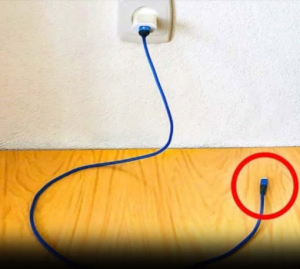
Still, electricians and safety experts often recommend unplugging chargers when they are not actively being used. Not because chargers are secretly dangerous, but because a few small reasons make the habit worth reconsidering.
One of the most overlooked reasons is standby power consumption.
Even when a phone is not attached, many chargers continue drawing a tiny amount of electricity from the outlet. On its own, the cost is minimal. One charger will not noticeably increase your electric bill. But modern homes are filled with devices quietly using power in the background — televisions, gaming consoles, smart speakers, coffee machines, adapters, and charging bricks.
Over time, all of those small energy drains can add up.
Another reason involves long-term wear on electronics.
Chargers contain internal components that remain energized whenever they stay plugged in. High-quality chargers from trusted brands are built to handle regular use safely, but constant exposure to electrical current and occasional voltage fluctuations can slowly reduce lifespan over time.
Simply put, electronics generally last longer when they spend less unnecessary time connected to power.
There’s also a practical safety aspect.
Most modern chargers from reputable manufacturers are considered very safe under normal conditions. That’s important to emphasize because many alarming posts online exaggerate the risks. In reality, the majority of people who leave chargers plugged in will never experience a serious problem.
However, “rare” does not mean “impossible.”
Damaged cables, counterfeit adapters, overloaded outlets, dust buildup, poor ventilation, or sudden power surges can increase the chance of overheating or electrical failure. In uncommon cases, chargers may become unusually hot, produce a burning smell, or stop functioning properly.
Unplugging a charger when it’s not needed removes that possibility entirely.
Homes with pets or young children may benefit even more from this simple habit. Curious pets sometimes chew charging cables, while children may pull cords or play near outlets. Often the issue is not severe danger, but preventable damage and safer day-to-day routines.
Moisture is another factor people rarely consider.
Chargers placed near kitchens, bathrooms, sinks, or humid areas face more environmental exposure than many realize. Over time, condensation and humidity can contribute to corrosion or wear inside electronic components.
None of this means people should become anxious every time they see a charger left in the wall.
A certified charger connected to a clean, undamaged outlet is generally not a major hazard. Modern electronics are designed with safety standards precisely because these devices are part of everyday life.
The more balanced question is simply this:
If unplugging takes only a few seconds and can slightly reduce energy waste, equipment wear, and avoidable risk, why not make it a better long-term habit?
Sometimes the smartest improvements in daily life are not dramatic changes at all — just small, consistent actions that quietly make our homes safer, cleaner, and more efficient over time.