Fans Are Just Now Noticing This Surprising MAS*H Blooper Hidden in Plain Sight
For millions of viewers, M*A*S*H was never just another television show.
It became part of everyday life — the kind of series families watched together after dinner, quoted for years afterward, and returned to whenever they needed both laughter and comfort.
Set during the Korean War, the groundbreaking series followed the doctors, nurses, and staff of the 4077th Mobile Army Surgical Hospital as they balanced humor, heartbreak, exhaustion, and survival in the middle of chaos.
What began as a sharp military comedy slowly evolved into one of the most emotionally respected dramas in television history.
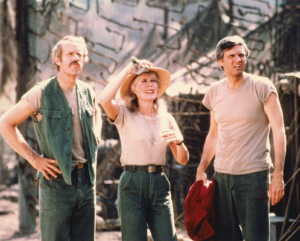
Its 1983 finale remains one of the most watched television broadcasts ever aired in America, drawing an audience so massive that it became a cultural moment far beyond entertainment alone.
Even decades later, fans still debate favorite episodes, quote Hawkeye Pierce’s unforgettable lines, and revisit the series with deep affection.
But behind the iconic characters and emotional storytelling, MAS*H also carried a fascinating collection of hidden details, continuity mistakes, backstage stories, and little-known moments that many viewers completely missed the first time around.
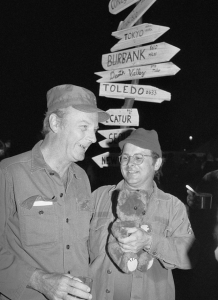
Some involved touching acts of loyalty behind the scenes. Others revealed strange coincidences between fiction and real life.
And a few became legendary bloopers that dedicated fans still discuss today.
One of the most beloved examples involves a surprising visual mistake hidden in plain sight — a detail many viewers never noticed until years later.
Once fans spotted it, however, they could never unsee it again.

At the same time, stories from the cast revealed just how deeply connected the actors became during the show’s incredible eleven-season run.
Alan Alda’s influence shaped much of the emotional direction of the series, while performers like Loretta Swit, Jamie Farr, Gary Burghoff, and William Christopher brought unexpected realism and humanity to their characters both on and off screen.

What made MAS*H endure was never perfection.
The timeline occasionally changed. Historical inaccuracies slipped through. Character backstories evolved unexpectedly.
Yet none of those small flaws ever overshadowed the heart of the series itself.
Because underneath the humor, sarcasm, and unforgettable bloopers was something timeless: a show that understood how people use laughter, friendship, and compassion to survive difficult moments.
And decades later, that may be exactly why audiences still can’t stop watching.