King Charles’ Speech Sparks Debate Over Possible Hidden Meaning
A recent speech by King Charles III has sparked discussion—not because of any direct political statement, but because of how certain remarks have been interpreted.
The address, delivered during a commemorative event honoring what would have been the 100th birthday of Queen Elizabeth II, was largely reflective in tone. It focused on legacy, service, and the values that defined her long reign.
In his speech, King Charles spoke about his mother’s deep sense of duty and her ability to connect with people across generations.
The message centered on continuity—how the principles she upheld continue to resonate today.
The overall tone was measured, respectful, and consistent with the monarchy’s tradition of avoiding direct political commentary.
However, one particular phrase stood out.
The King referred to how “much about the times we now live in… may have troubled her deeply.”
While the statement was broad, it quickly drew attention from commentators and observers.
Some interpreted the remark as a general reflection on global uncertainty. Others suggested it could be an indirect reference to current geopolitical tensions.
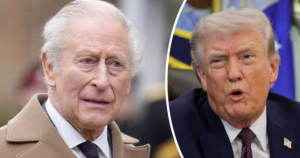
Among those offering analysis, some commentators have linked the timing of the speech to ongoing international developments and political dynamics involving figures such as Donald Trump.
It is important to note, however, that the speech itself did not mention any specific countries, leaders, or events.
The interpretation remains speculative rather than confirmed.
Traditionally, the British monarchy maintains a neutral stance in political matters—particularly when it comes to international relations.
Speeches delivered on formal occasions are carefully structured to reflect unity and continuity rather than commentary on current affairs. This context makes any perceived message open to interpretation rather than definitive intent.
The discussion comes ahead of a planned visit by King Charles and Queen Camilla to the United States, where they are expected to engage in official meetings.
Events like this often draw increased attention to language and symbolism, especially in a global environment where even neutral statements can be closely analyzed.
In the end, the significance of the speech may lie less in any single line and more in how it is received.
What one person sees as a general reflection on challenging times, another may interpret as a subtle message shaped by context.
For now, the remarks remain open to interpretation—highlighting how, in today’s climate, even carefully chosen words can take on broader meaning.