A Survivor’s Story: What One Man Says He Experienced During a Critical Medical Emergency
For centuries, people have wondered what happens at the edge of life.
While science continues to study the biological processes of death, personal accounts from survivors of critical medical events often add another layer to the conversation, one shaped by memory, perception, and belief.
A Life-Threatening Emergency
One such story comes from a man named Robert Marshall, who has spoken publicly about a severe medical crisis he experienced in 2024.
According to his account, what began as a serious health concern quickly escalated into a critical condition affecting his ability to breathe.
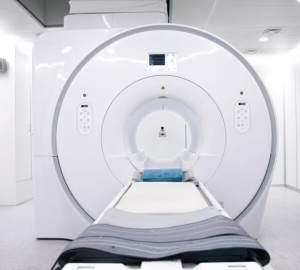
Medical evaluations, including imaging and laboratory tests, suggested complications that required immediate attention.
As his condition worsened, he reportedly experienced multiple emergency episodes requiring urgent intervention, including what is medically referred to as “code blue”—a situation involving cardiac or respiratory failure.
A State of Unconsciousness
During this period, Robert was placed in a coma-like state as doctors worked to stabilize his condition.
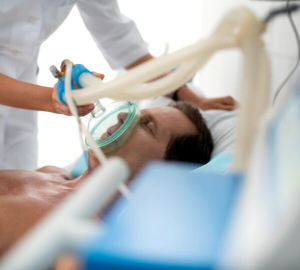
Medical descriptions referenced in his account include acute hypoxic respiratory failure, a condition in which the body is deprived of sufficient oxygen, potentially affecting brain function and consciousness.
From a clinical perspective, such states are known to produce altered awareness, vivid sensations, or fragmented memories.
An Experience Beyond the Physical
What makes Robert’s story widely discussed is what he says he experienced during this time.
He describes entering a vivid environment filled with natural landscapes and a strong sense of calm.
According to his recollection, the emotions he felt—particularly peace and connection—were more intense than anything he had known before.

He also reported encountering a figure he personally identified through his own beliefs, emphasizing that this interpretation reflects his individual perspective.
The Role of Personal Belief
Experiences like this are often categorized as near-death experiences (NDEs), a phenomenon studied by researchers across fields such as neuroscience and psychology.
While many individuals describe similar patterns, such as feelings of peace, visual imagery, or encounters shaped by personal belief, scientific explanations often point to brain activity under extreme stress, including changes in oxygen levels and neurochemical responses.
At the same time, those who experience such events frequently view them as deeply meaningful and transformative.
Recovery and Reflection
Robert later regained consciousness, something that can occur in cases where medical intervention and the body’s resilience allow for recovery.
He has since shared that the experience changed his outlook on life, strengthening his sense of purpose, relationships, and personal values.
Stories like his often resonate because they touch on universal themes—life, mortality, and the possibility of something beyond what we currently understand.
A Balance Between Science and Experience
Experts emphasize the importance of distinguishing between personal interpretation and scientific evidence.
While near-death experiences are real in the sense that people genuinely report them, they are not considered proof of what happens after death. Instead, they are studied as complex interactions between the brain, body, and perception.
At the same time, these accounts continue to spark curiosity and reflection.
Whether viewed through a scientific lens or a personal one, stories like Robert’s highlight how much remains unknown about consciousness.
They remind us that even in moments of crisis, the human mind can produce experiences that feel vivid, powerful, and deeply real.
And perhaps that’s why the question continues to endure—because it sits at the intersection of what we know, and what we are still trying to understand.