Public Restroom Hygiene: Why You Should Avoid Damaged or Stained Toilet Paper
Public restrooms are part of everyday life—whether at work, airports, shopping centers, schools, or restaurants.
While these spaces are cleaned regularly, they are also shared by many people throughout the day, making hygiene especially important.
One detail that often goes unnoticed is the condition of toilet paper.
Why It Matters
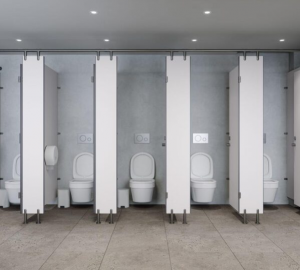
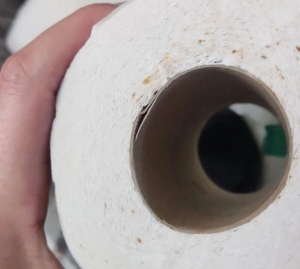
Hygiene experts frequently recommend avoiding toilet paper that appears stained, damp, damaged, or discolored.
While some marks may be harmless, visible signs of moisture or contamination can indicate exposure to unclean surfaces or excessive handling.
Because toilet paper comes into direct contact with sensitive areas of the body, cleanliness is particularly important.
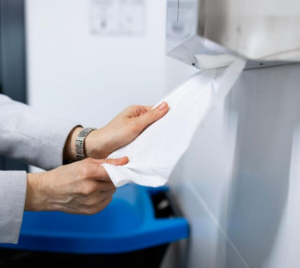
Moisture is another factor to watch for. Damp environments can allow certain microorganisms to survive longer, which is why dry, clean paper is always the safer option.
Simple Precautions Can Help
If a roll appears questionable, experts suggest:
- Choosing a cleaner roll or another stall when possible
- Using inner layers of the roll if they appear untouched and dry
- Minimizing contact with shared surfaces like dispensers and handles
- Washing hands thoroughly afterward
Handwashing with soap and water remains one of the most effective ways to reduce the spread of germs in public spaces.
Awareness, Not Fear
It’s important to remember that visible marks do not automatically mean a serious health risk.
However, paying attention to small details is a practical part of good hygiene.
Experts emphasize that simple habits—such as checking cleanliness, avoiding damp materials, and practicing proper hand hygiene—can significantly reduce exposure to germs.
The Bigger Picture
Public restrooms are designed for convenience, and most can be used safely with basic awareness and routine hygiene practices.
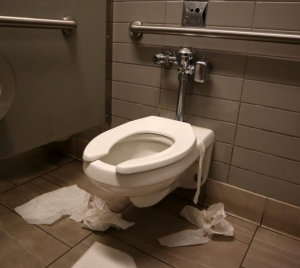
Small preventive actions often make the biggest difference when it comes to staying healthy and comfortable in shared environments.
In the end, staying attentive to details like toilet paper condition is less about fear—and more about making informed, practical choices every day.